Congolese and Fabulous Foundation · Culture & Heritage

The Congo
You Don't
Know.

One of the world's oldest civilisations. The source of rumba. A kingdom that shaped Atlantic trade. Languages spoken by 100 million people. A forest that breathes for the planet. This is Congolese culture — and it belongs to all of us.

Scroll to explore

Why culture is
not a luxury.

For communities in the diaspora — and for Congolese people everywhere — culture is not decoration. It is the infrastructure of identity. It is how you know who you are, where you come from, and what you carry forward.

CAF Foundation was built on the belief that reclaiming the Congolese narrative is an act of power. This page exists to be a living resource — celebratory, honest, and growing over time — for anyone who wants to know the Congo beyond the headlines.

"The Congo is not a country that needs to be explained. It is a country that needs to be experienced — its music, its language, its forests, its people, its extraordinary refusal to be defined by its suffering."
01 · Language & Voice Lingala · Swahili · Kikongo · Tshiluba
The 26 Provinces

Exploring the regions of Congo.

The DRC was reorganised into 26 provinces in 2015 — each with its own distinct cultural identity, language, landscape, and history. Together they form one of the most diverse nations on earth.

North Kivu

Home to Virunga National Park and the mountain gorillas. Goma is its capital — a city of volcanic energy and extraordinary culture, at the centre of the eastern crisis.

South Kivu

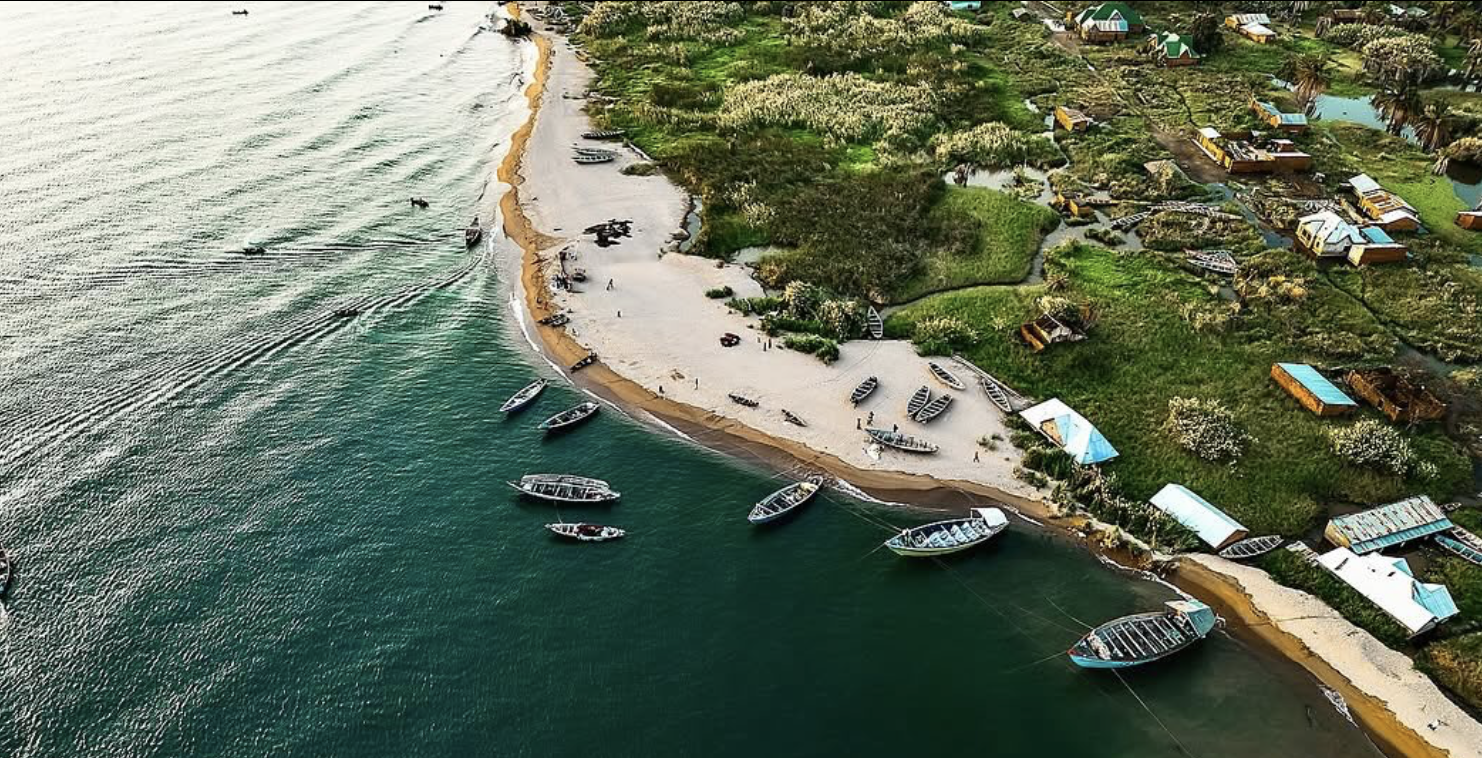
Bukavu sits on the southern tip of Lake Kivu. Home of the Bami of Idjwi island. The cultural heartland of our co-founders' family — and the focus of our humanitarian response.

Kinshasa

The capital and cultural powerhouse. Birthplace of Congolese Rumba. A city of 17 million facing Brazzaville across the Congo River — one of the world's most vibrant urban cultures.

Kasai

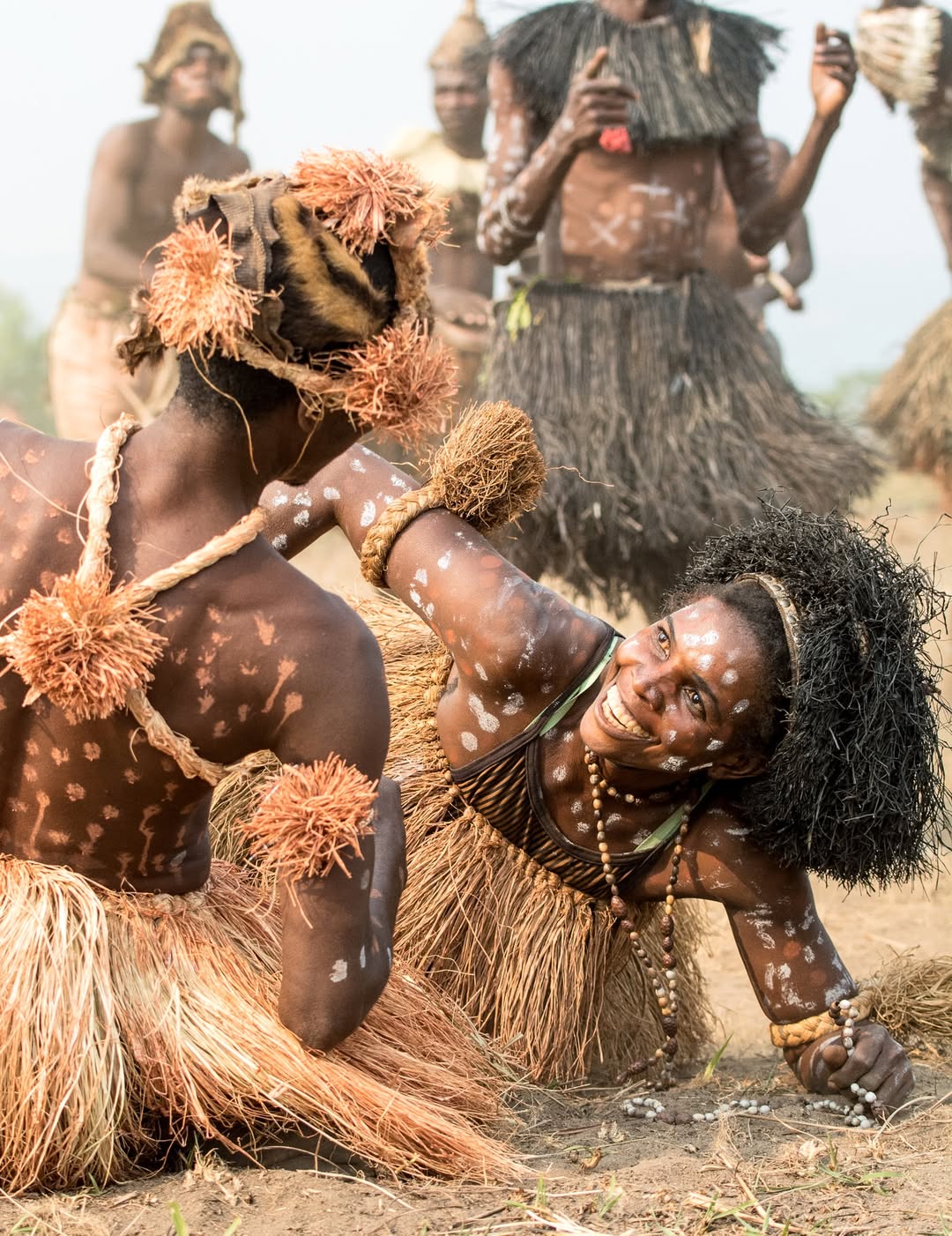
Home of the ancient Kuba Kingdom and one of the DRC's most distinctive artistic traditions — Kuba textiles, sculpture, and raffia cloth are world-renowned. The Pende people's dance tradition originates here.

Kongo-Central

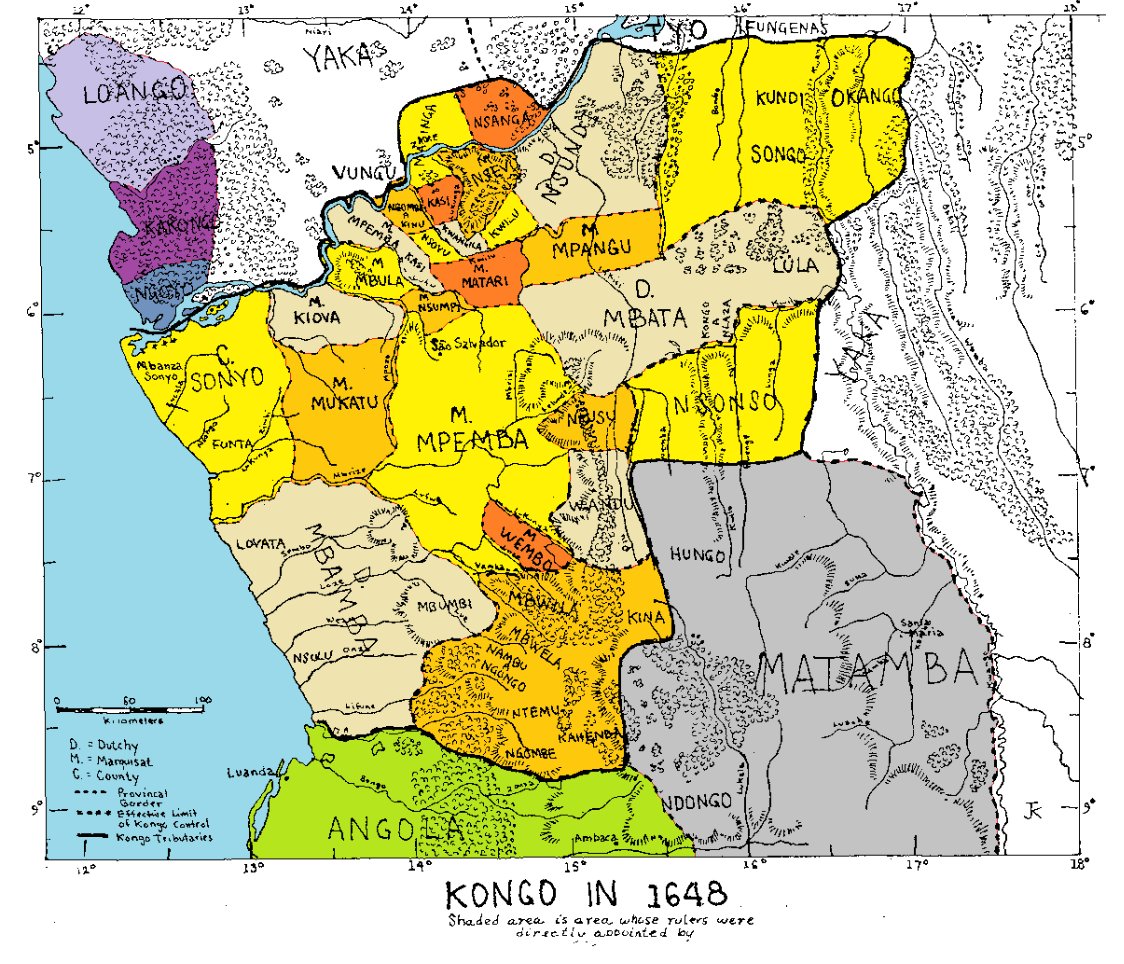
The ancestral land of the Kingdom of Kongo. The port of Matadi sits at the mouth of the Congo River. Home to the Kongo royal families and the Dikenga cosmological tradition.

Maniema

The "land of gold" — historically a crossroads of trade between the Swahili coast and the Congo interior. A province of dense forest, mighty rivers, and a musical heritage tied to the Lega and Kusu peoples.

Ituri

Home to the Ituri Forest and the Mbuti Pygmy communities — among the oldest continuous forest-dwellers on earth. The Okapi Wildlife Reserve protects one of the Congo's most unique mammals here.

Équateur

The great equatorial heart of the DRC — home to the Salonga National Park (the largest tropical forest reserve in Africa) and the Mongo people, one of the DRC's largest ethnic groups.

Ballet National du Zaïre — Pende Dance
DR Congo · Traditional Dance
Heritage · Authenticité 1960–1970s

Ballet National du Zaïre — dance as national identity.

In the years following independence in 1960, the Democratic Republic of the Congo entered a period of intense cultural self-definition. This process accelerated under Mobutu Sese Seko and his doctrine of Authenticité in the 1970s — a state-led effort to reclaim and formalise pre-colonial cultural identity. Within this context, a remarkable artistic project emerged: the transformation of traditional Congolese dance and music into a national, staged form.

What had once been community-based, ceremonial, and often sacred practices were reorganised into ballets traditionnels — carefully choreographed performances for theatres, state events, and international audiences. The Ballet National du Zaïre drew from across the nation's vast cultural landscape: Pende masked dances, Mongo drum ceremonies, Luba initiation rites.

The company gained rapid international recognition — performing at independence celebrations, global festivals, the United Nations, and major European theatres. What the Ballet National du Zaïre ultimately represents is a moment where culture became both expression and construction — where dance was not only heritage, but nationhood, staged and in motion.

Ballet Arumbaya — Watch Now

Spectacle de percussion traditionnelle congolaise — Ballet Arumbaya Ndendeli. A performance capturing the power and precision of traditional Congolese percussion and dance.

Ballet Arumbaya Ndendeli · Traditional Congolese Percussion

03 · The Kongo Kingdom History · Legacy · Civilisation
Music · The Sound of Africa Rumba · Ndombolo · Soukous · Afrobeats
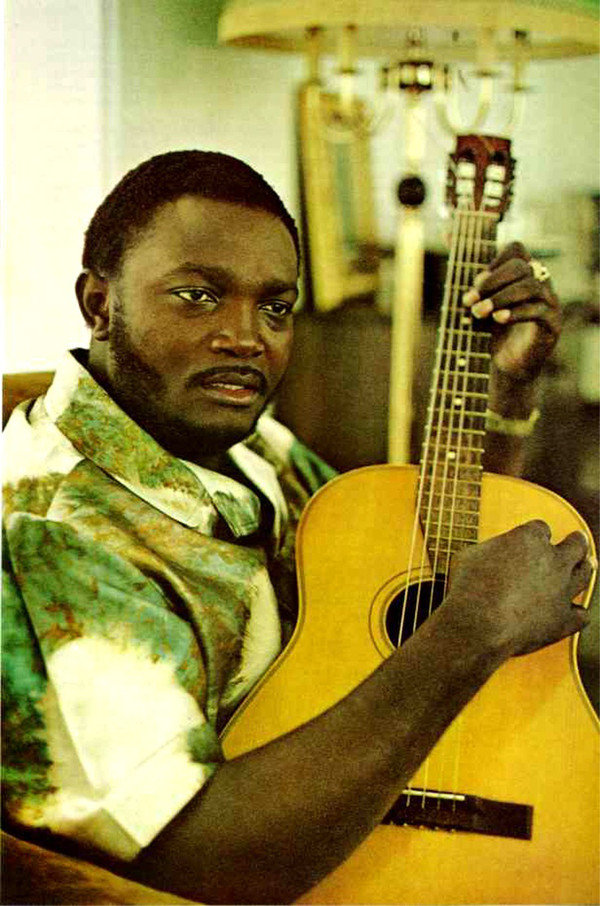
Franco Luambo — Congolese Music Icon
Did you know · Icon
Franco Luambo
Le Grand Maître

The most recorded African musician of the 20th century. Over 150 albums. The backbone of Congolese Rumba for four decades.

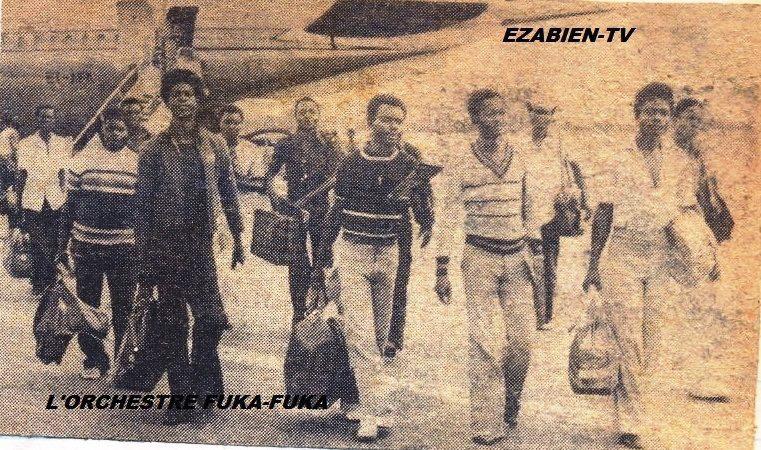
L'Orchestre Fuka-Fuka
Did you know · Orchestre
L'Orchestre
Fuka-Fuka

One of the Congo's celebrated touring orchestras of the Authenticité era — carrying Congolese music to stages across Africa and beyond.

Music: Congo River to World Stage →
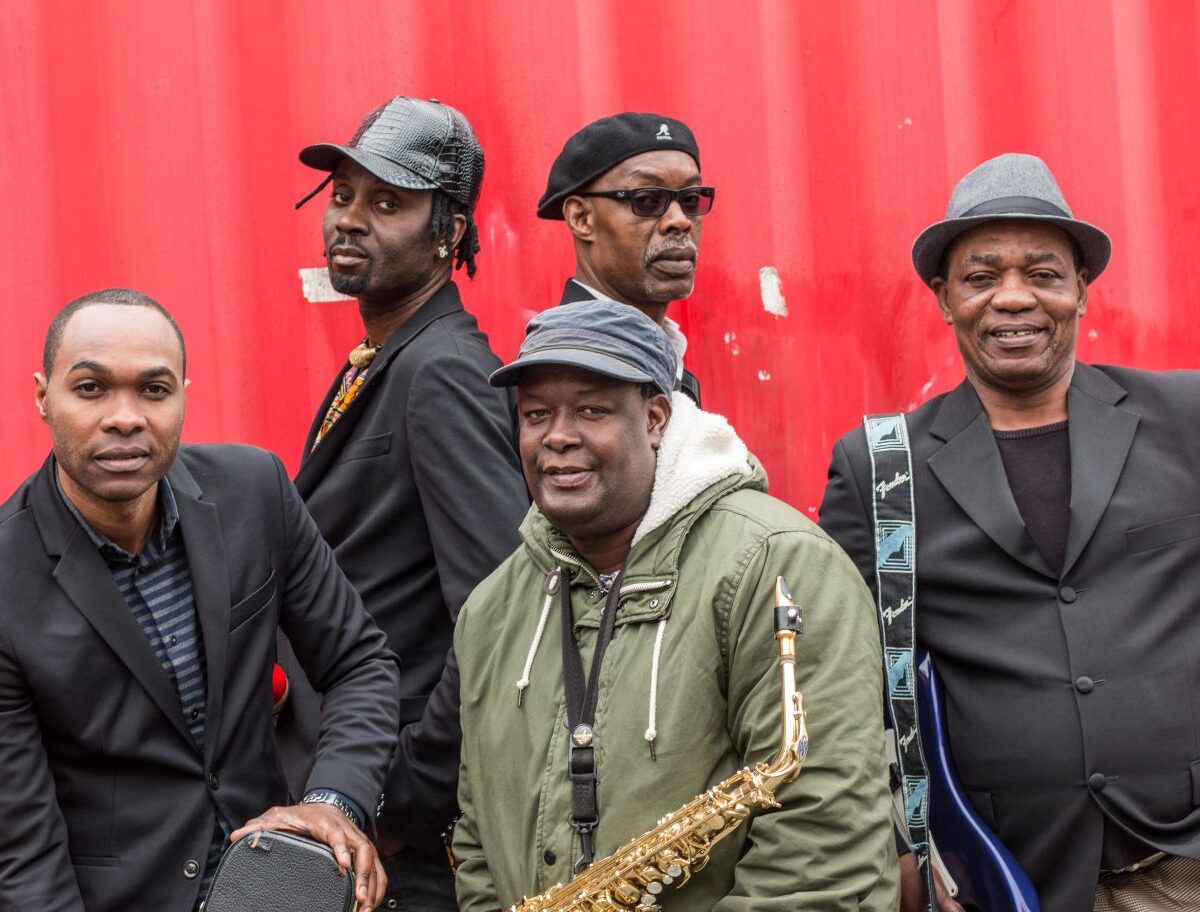
Kasai Masai — Strada Music 2026
Music · UK Diaspora · 2026

Kasai Masai —
London.

A UK-based Congolese band bridging Kasai's deep rhythmic traditions with contemporary stages — the village and the city, the Congo and the diaspora.

Listen · Congolese Rumba & Soukous

Mfuur Ma

Groupe Minzoto Ya Zaïre

0:00 --:--
04 · Ecology & Traditional Knowledge Forest · Botany · Conservation
Visual Arts · African Influence on Modernism

The Congo shaped
modern art.

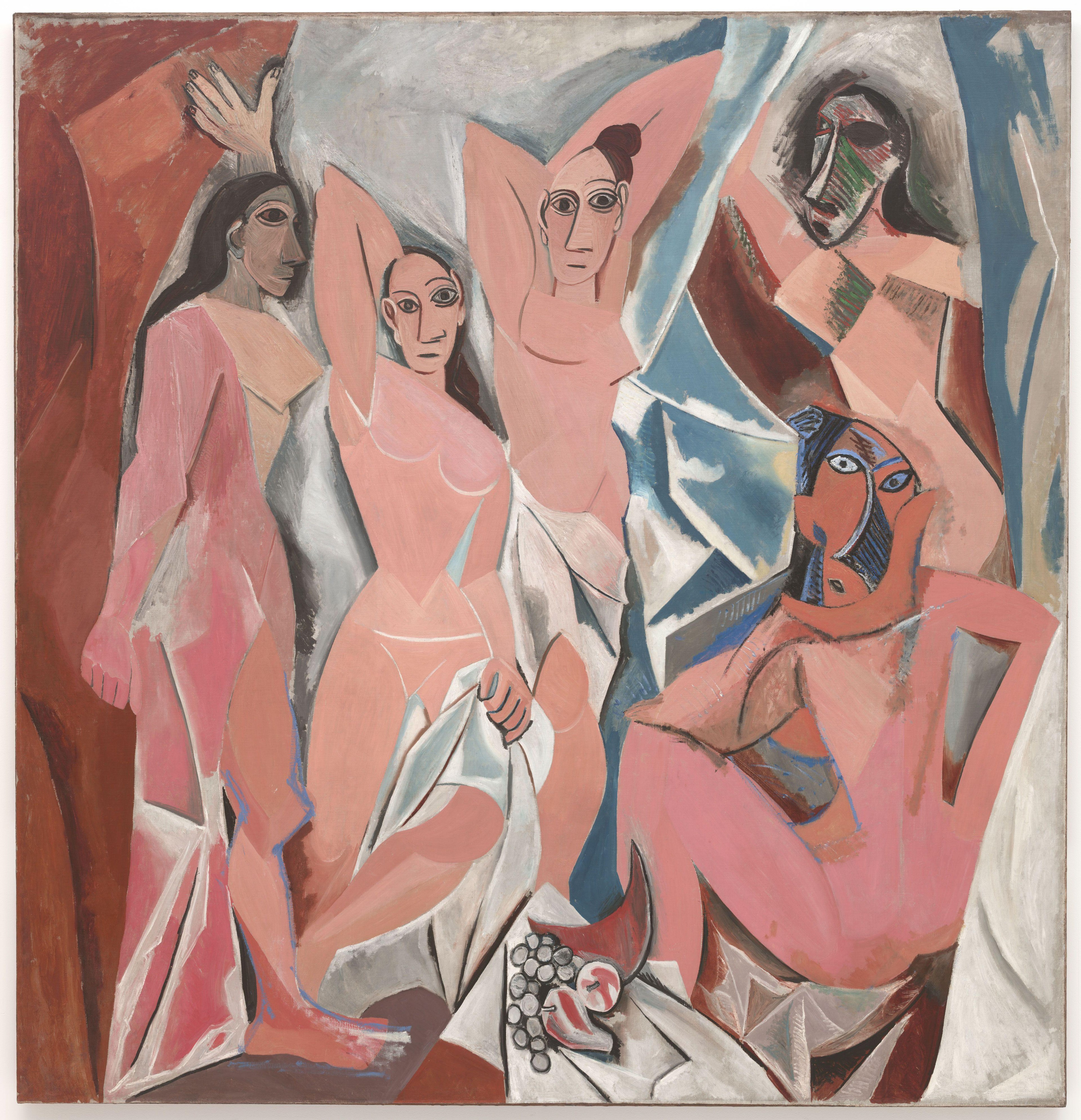
In the early twentieth century, European artists encountered the sculptural traditions of Central and West Africa — an encounter that would irrevocably shift the trajectory of modern art. For figures such as Henri Matisse and Pablo Picasso, African masks and carved forms revealed a visual language untethered from the constraints of Renaissance naturalism.

What they recognised was not simply difference, but power. These objects carried a distilled intensity: geometric abstraction, exaggerated form, and a deliberate departure from literal representation. In their presence, the Western canon fractured. Picasso's Cubism — with its splintered planes — and the flattened, expressive surfaces of early modernism emerged from this radical reorientation of form.

Yet this moment of artistic awakening was also marked by distance. The original spiritual and cultural meanings embedded within these works remained largely unknown to those who appropriated their forms. Still, the influence was profound. The visual foundations of modern art are inextricably linked to the sculptural traditions of the Congo basin — particularly the Kongo and Pende — whose aesthetic innovations continue to resonate, often uncredited, at the heart of modernism.

The Congo did not follow modernism. It preceded it — and the world's most celebrated art movement would not exist without it.

Les Demoiselles d'Avignon — Picasso, 1907

Les Demoiselles d'Avignon (1907), Pablo Picasso. The angular, mask-like faces on the right side of the painting show the direct influence of Central African sculpture encountered by Picasso in Paris.

Credit: Wikipedia / Public Domain · Museum of Modern Art, New York

Bands of a Generation Congo · Rumba · Gospel · Soukous
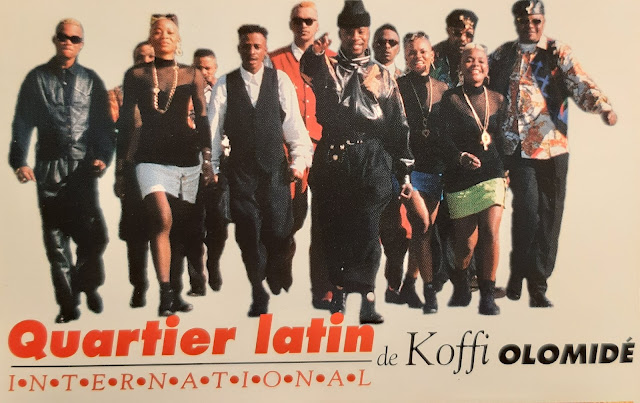
Quartier Latin de Koffi Olomidé
Music · Elegance · Power
Quartier Latin
de Koffi Olomidé

Koffi Olomidé's Quartier Latin International — one of the most stylish and influential orchestras in modern Congolese music.

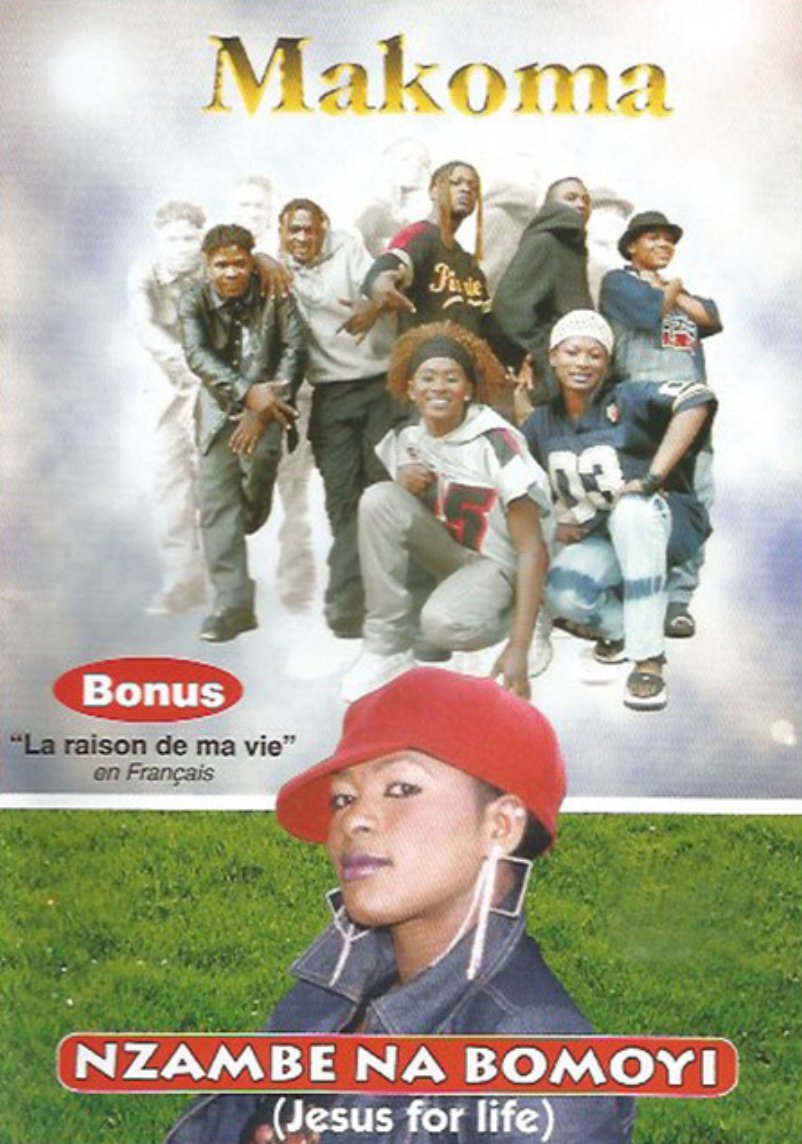
Groupe Makoma — Gospel Congolais
Gospel · Faith · Music
Groupe
Makoma

Congolese gospel at its most vibrant — faith, rhythm, and community woven into one powerful sound.

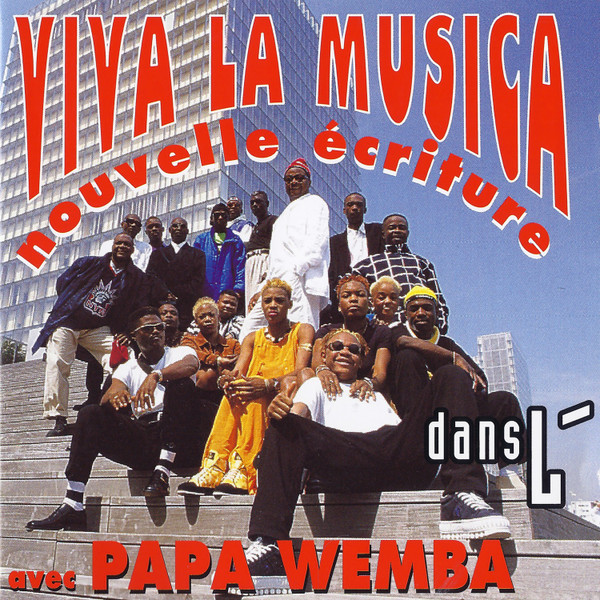
Papa Wemba — Viva la Musica
Music · Icons · Rumba
Papa Wemba
Viva la Musica

The King of Rumba — founding father of the Sapeur movement and a voice that defined Congolese identity for generations.

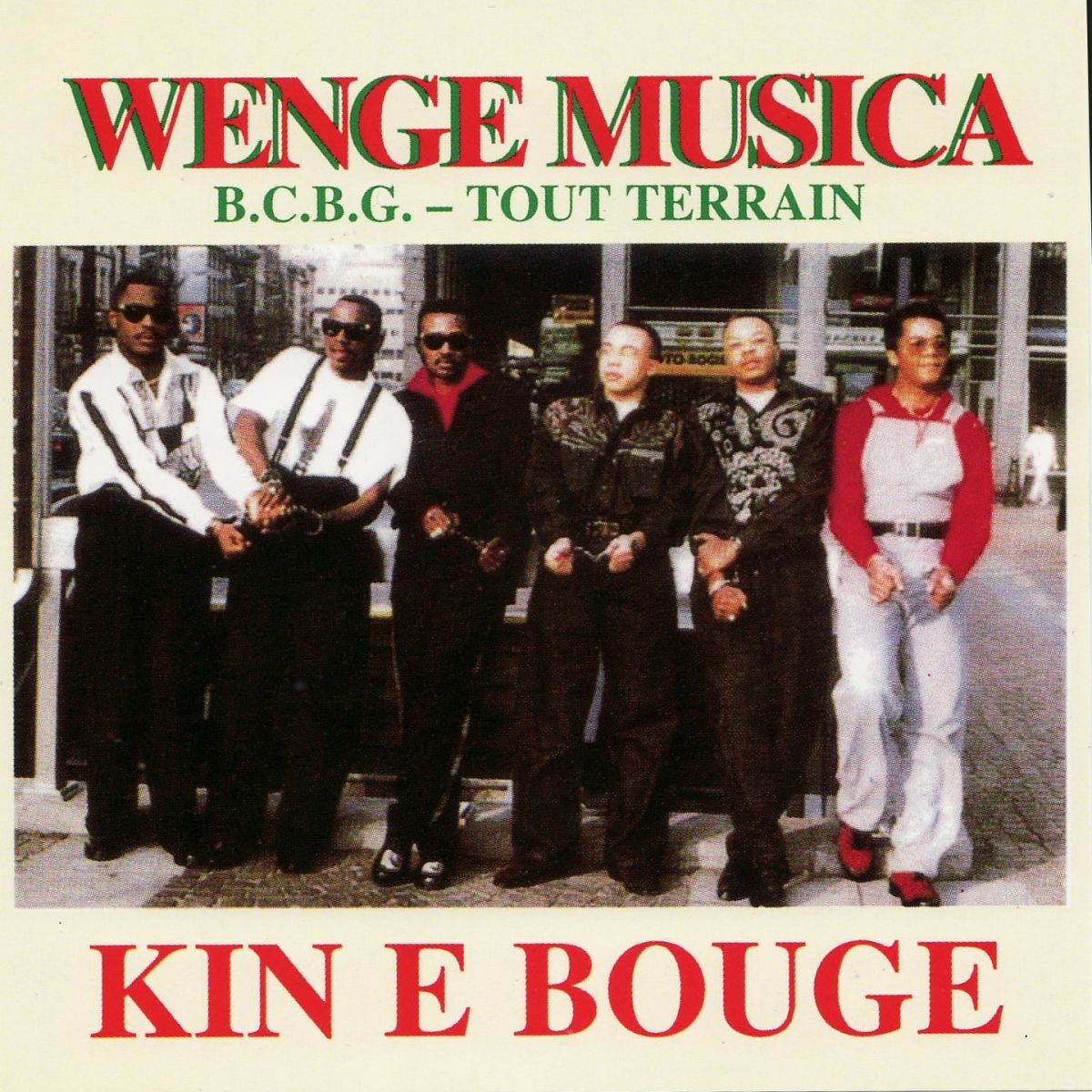
Wenge Musica — Kin E Bouge
Music · Generation · Kin
Wenge
Musica

The sound that launched a generation — Wenge Musica's energy defined Kinshasa's streets and put Congolese music on a global stage.

05 · Visual Arts & the Mandombe Script Script · Art · Identity · 1978
Writing System · DRC

A writing system born in the Congo.

In 1978, Wabeladio Payi — a member of the DRC's Kimbanguist community — created the Mandombe script: a complete writing system for Bantu languages, built from a single geometric unit rotated in four orientations. It is one of the few writing systems in history invented in sub-Saharan Africa in the modern era. CAF Foundation uses the Mandombe motif as a core part of its visual identity — a declaration that African knowledge systems are not history. They are living, growing, and ours.

Mandombe Script · DRC 1978

Created by Wabeladio Payi. Its foundational form — four nested squares in four orientations — represents completeness, the four directions, and the self-determination of knowledge. Now used by millions across central Africa.

Dikenga dia Kongo · Kongo Cosmogram

The sacred cosmological symbol of the Kongo people — representing the cycle of life (birth, peak, transformation, rebirth). Its horizontal axis divides the living world from the ancestral realm. Carried across the Atlantic by enslaved Kongolese, it lives on in Afro-diasporic spiritual traditions worldwide.

06 · The Diaspora in the UK Identity · Community · Belonging
07 · National Parks & UNESCO Sites Virunga · Kahuzi-Biega · Okapi · Salonga · Garamba
Virunga National Park — Eastern DRC
UNESCO World Heritage Site · 1979

Virunga National Park
Africa's oldest national park.

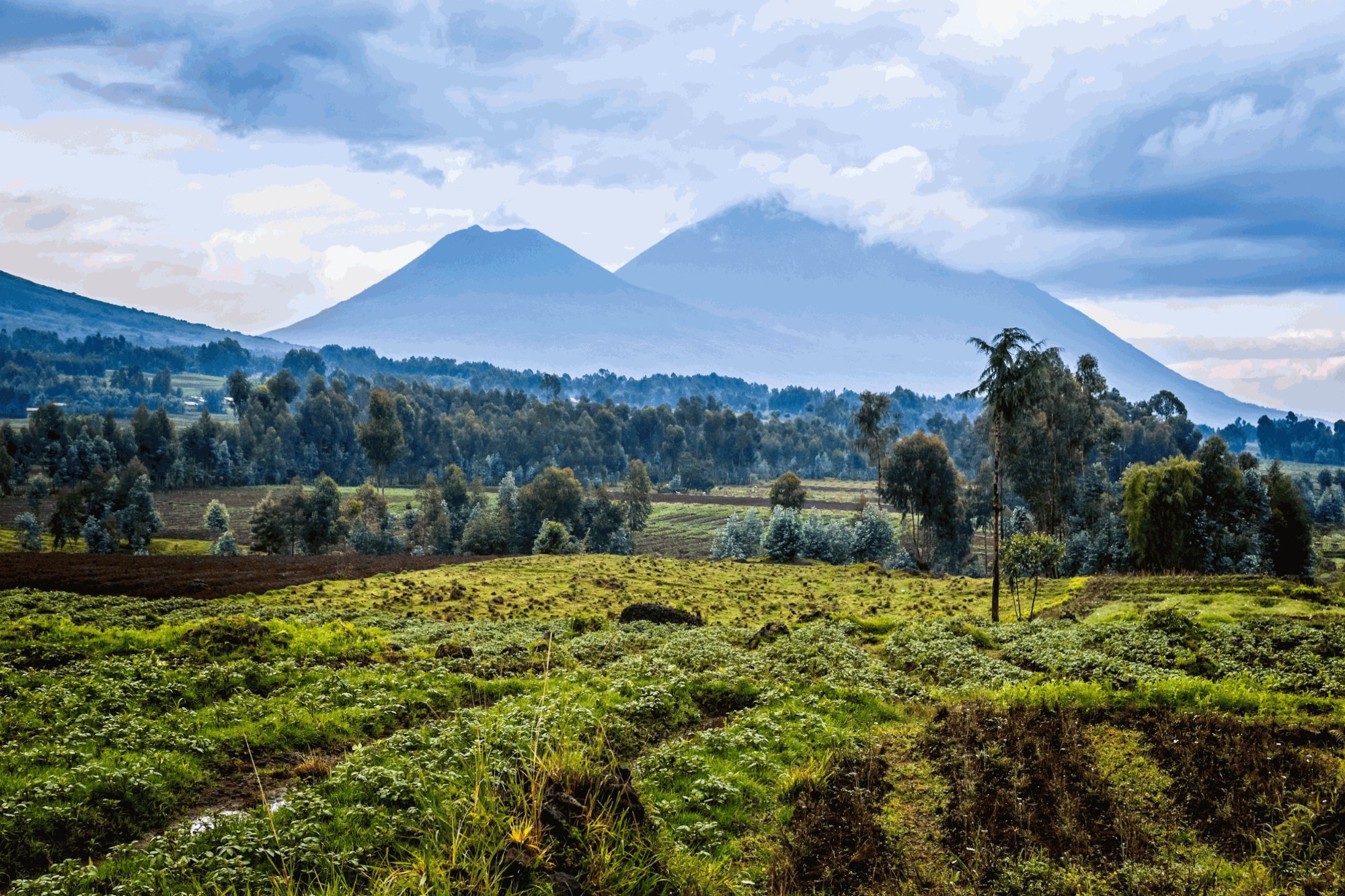
Established in 1925, Virunga is home to mountain gorillas, forest elephants, and some of the most spectacular biodiversity on earth. It spans volcanoes, savanna, swamps, and snow-capped peaks.

UNESCO · 1980

Kahuzi-Biega
National Park

Home to the Eastern Lowland Gorilla — found nowhere else on earth. CAF Foundation's conservation partner Asili works directly in communities surrounding the park.

UNESCO · 1980

Okapi Wildlife
Reserve

Protecting the forest okapi — one of the most elusive and ancient mammals alive. Covers a third of the Ituri Forest in northeastern DRC.

UNESCO · 1984

Salonga
National Park

The largest tropical rainforest reserve in Africa — 36,000 km² of primary forest, home to bonobos, forest buffalo, and thousands of endemic species.

UNESCO · 1980

Garamba
National Park

One of Africa's oldest parks, protecting the Northern White Rhino habitat and savanna elephant corridors on the border with South Sudan.

08 · Dance Troupes Initiative Living Heritage · Performance · Community
CAF Foundation Initiative

Dance as living heritage.

Congolese dance is not performance — it is language. Each movement carries meaning: stories of ancestors, records of history, rites of passage, celebrations of the land. From the masked Pende dances of Kasai to the Kumu initiation ceremonies of eastern DRC, dance is the living archive of Congolese culture.

CAF Foundation is developing partnerships with traditional dance troupes both in the DRC and across the UK diaspora — to preserve, perform, and transmit these art forms to new generations. Our aim is to create a Living Heritage Programme: bringing troupes to UK stages, schools, and cultural events, while funding their work in communities at home.

Partner with us →
What the programme will include
Partnerships with DRC dance troupes for UK touring and cultural exchanges
School and community residencies bringing Congolese dance to UK young people
Digital archive: video documentation of rare and endangered dance traditions
Youth dance mentorship: second-generation Congolese reconnecting with form and movement
Annual Congolese cultural festival — dance, music, visual art and cuisine

Are you a dance troupe, arts organisation, or cultural venue? We are actively seeking founding partners for this programme. Contact us →

09 · Royal Families & Cultural Festivals Kingdoms · Ceremonies · Celebration
Living tradition

Royal families and living kingdoms of the DRC.

The DRC is home to hundreds of traditional kingdoms and chieftainships — many of which have governed their communities for centuries, long before and alongside the modern state. These royal families are cultural custodians: keepers of oral history, arbiters of customary law, and leaders of ceremonial life.

"Traditional authority in the DRC is not historical relic — it is present reality. Royal courts govern millions of people, mediate conflict, and hold cultural memory that no archive can replicate."
Kingdom · Kasai

The Kuba Kingdom

One of central Africa's most sophisticated pre-colonial kingdoms, known for its geometric art, elaborate court culture, and a system of 93 kings stretching back to the 17th century. Kuba textiles and sculpture are held in museums worldwide.

Kingdom · West DRC

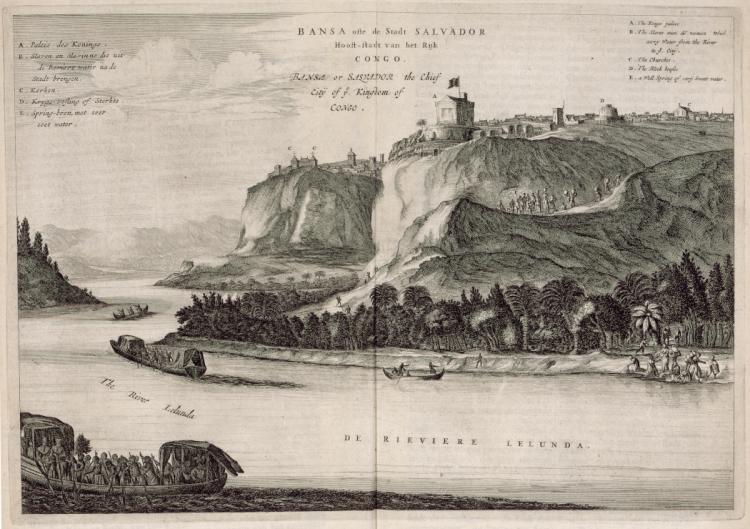
The Kingdom of Kongo

Founded in the 14th century. At its peak, one of the largest states in Africa — spanning four modern countries. Its descendants still govern as the Kongo-Central royal family, and its cultural legacy echoes across the Atlantic diaspora.

Kingdom · South Kivu

The Bami of Idjwi

The island of Idjwi on Lake Kivu is governed by its own royal family — the Bami — whose authority predates colonialism. Known as an 'island of peace', Idjwi has remained largely untouched by conflict, a testament to indigenous governance.

Annual Festivals & Ceremonies
Kongo Coronation Ceremony
A rare royal ceremony marking succession, attended by thousands from across the Kongo diaspora
Fête de la Réconciliation
Community festivals of reconciliation, common across eastern DRC, blending traditional and civic ceremony
Initiation Ceremonies
Coming-of-age ceremonies across Luba, Lunda, and Mongo communities — marking the transition to adulthood with music, dance, and ritual
Festival Rumba (Kinshasa)
Annual celebration of Congolese music heritage, drawing artists and audiences from across the continent and diaspora
Pende traditional dancers — DR Congo
Le Marché des Valeurs — Wenze ya Bikeko
Living Heritage

Culture is not the
past. It is now.

Congolese culture is alive, growing, and being created every day — in the dance studios of Kinshasa, the community halls of Brixton, the gardens of South Kivu, and the music studios of Paris.

CAF Foundation exists to preserve what must be preserved, celebrate what deserves celebrating, and create the conditions for Congolese culture to keep evolving on its own terms.

Get Involved →
10. Gorillas · Natural Heritage Eastern Lowland Gorilla · Virunga · Conservation
The Gorillas of the Congo — DRC
Natural Heritage · DRC

The Gorillas of the Congo.

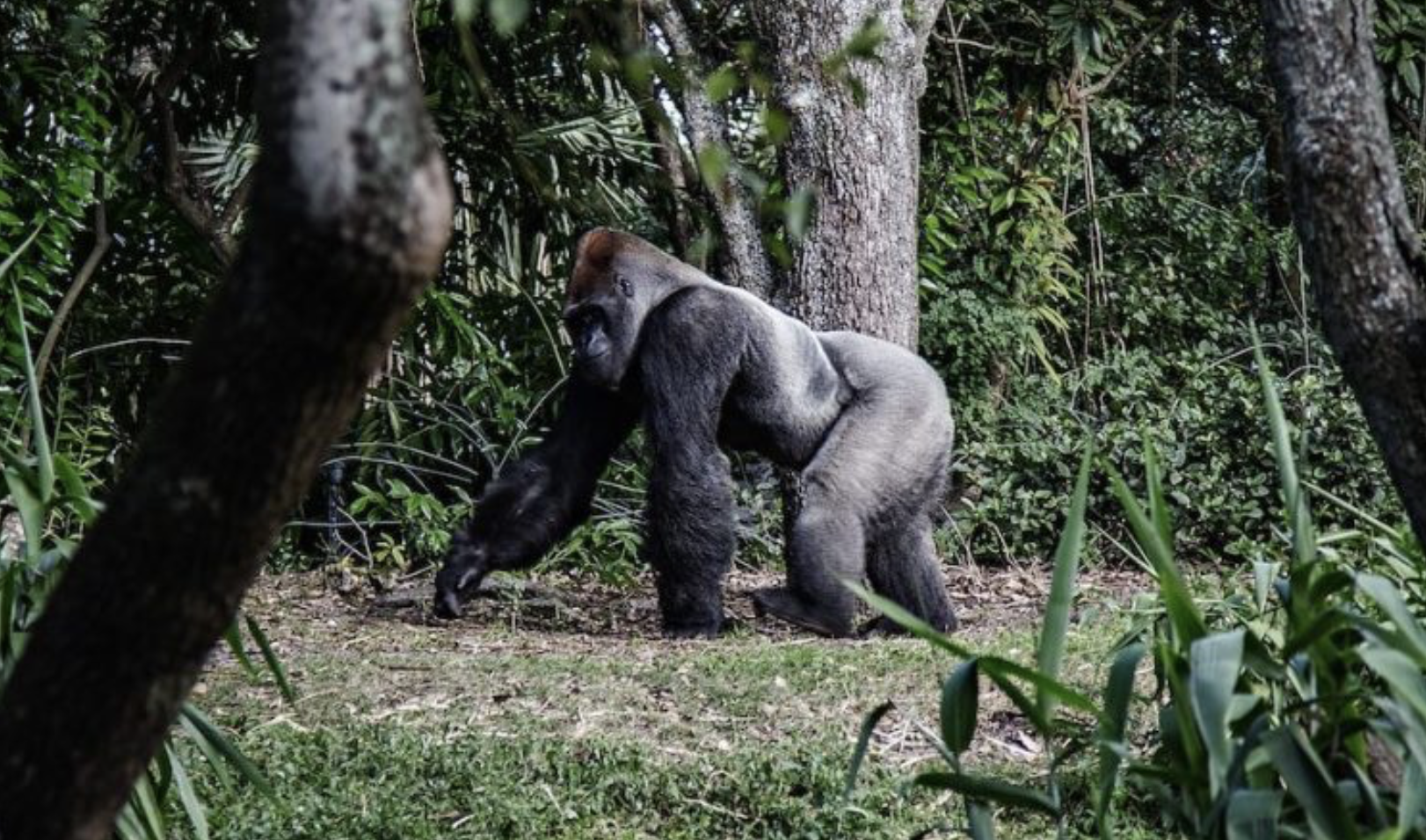
The DRC is home to two of the world's most endangered great apes — the Mountain Gorilla (Gorilla beringei beringei) in the Virunga massif, and the Eastern Lowland Gorilla (Gorilla beringei graueri) in Kahuzi-Biega. Together they represent an extraordinary natural and cultural heritage that belongs to all of humanity.

▶ Watch: Virunga Documentary
Did you know

Fewer than 1,000 Mountain Gorillas remain on earth. Most live in the DRC.

10 national parks in DRC
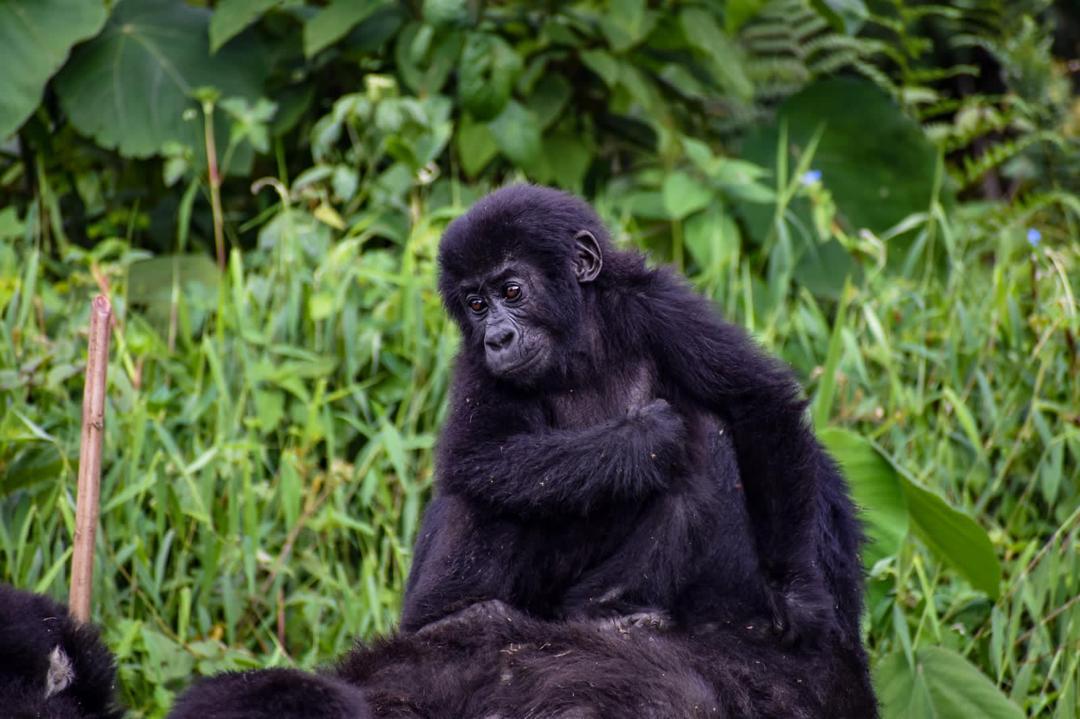
Baby gorilla — Eastern DRC

The rangers of Virunga National Park risk their lives daily to protect these extraordinary animals. Over 200 rangers have died in service. They are among the most courageous conservationists on earth — and they are Congolese.

CAF Foundation's conservation work is inseparable from its cultural mission: the gorillas are part of the Congo's identity, and their survival is part of the story we exist to tell.

▶ Gorillas in the Mist — Kahuzi-Biega → Virunga National Park
11 · Zaïre 1974 — Rumble in the Jungle Kinshasa · Muhammad Ali · Cultural Moment
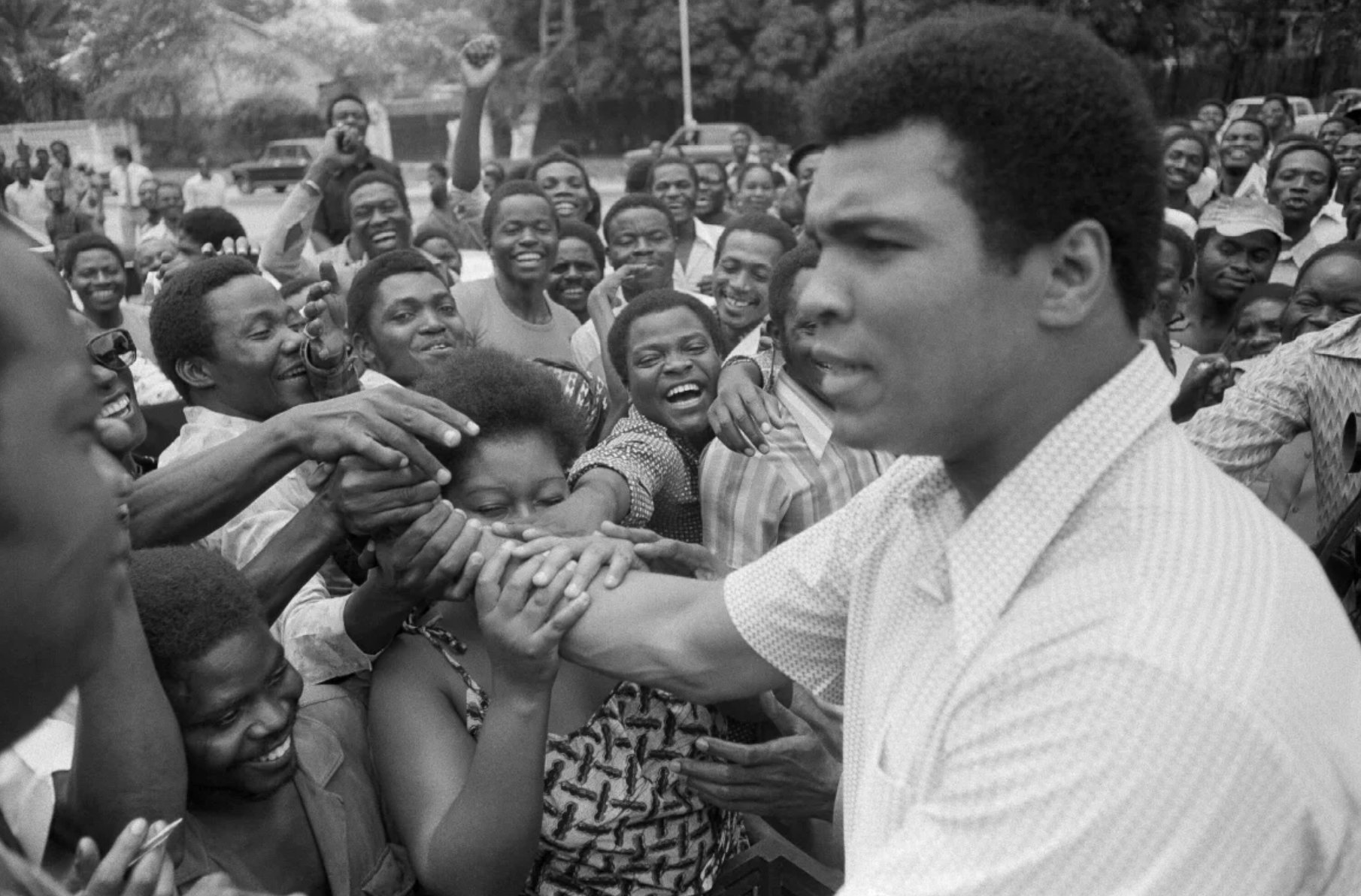
Muhammad Ali greeted by crowds in Kinshasa, 1974

Ali greeted by crowds in Kinshasa. AP Photo via CNN.

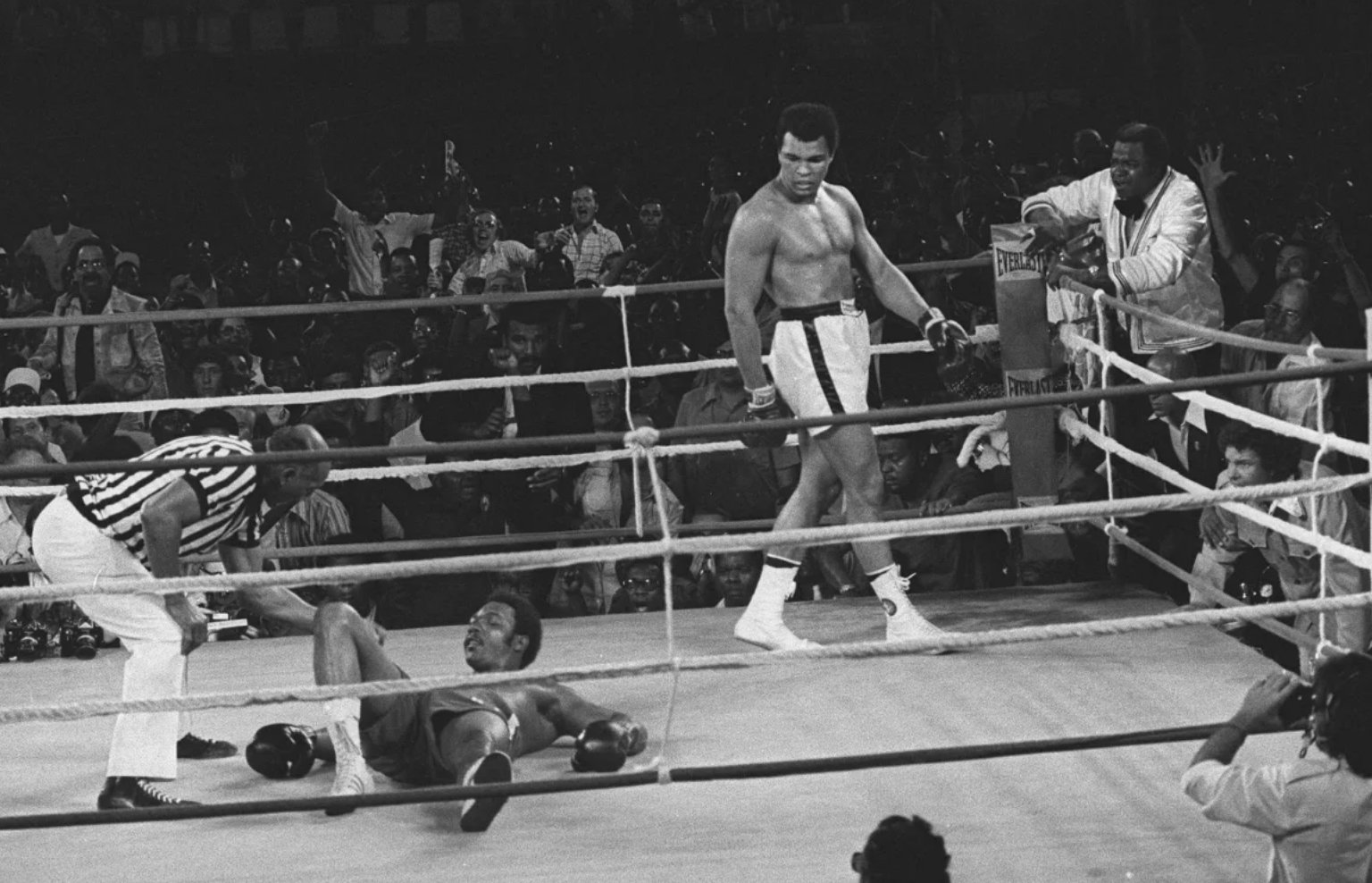
Referee counts out Foreman — Round 8, Kinshasa 1974

Referee Zack Clayton counts out Foreman. Round 8. AP / CNN.

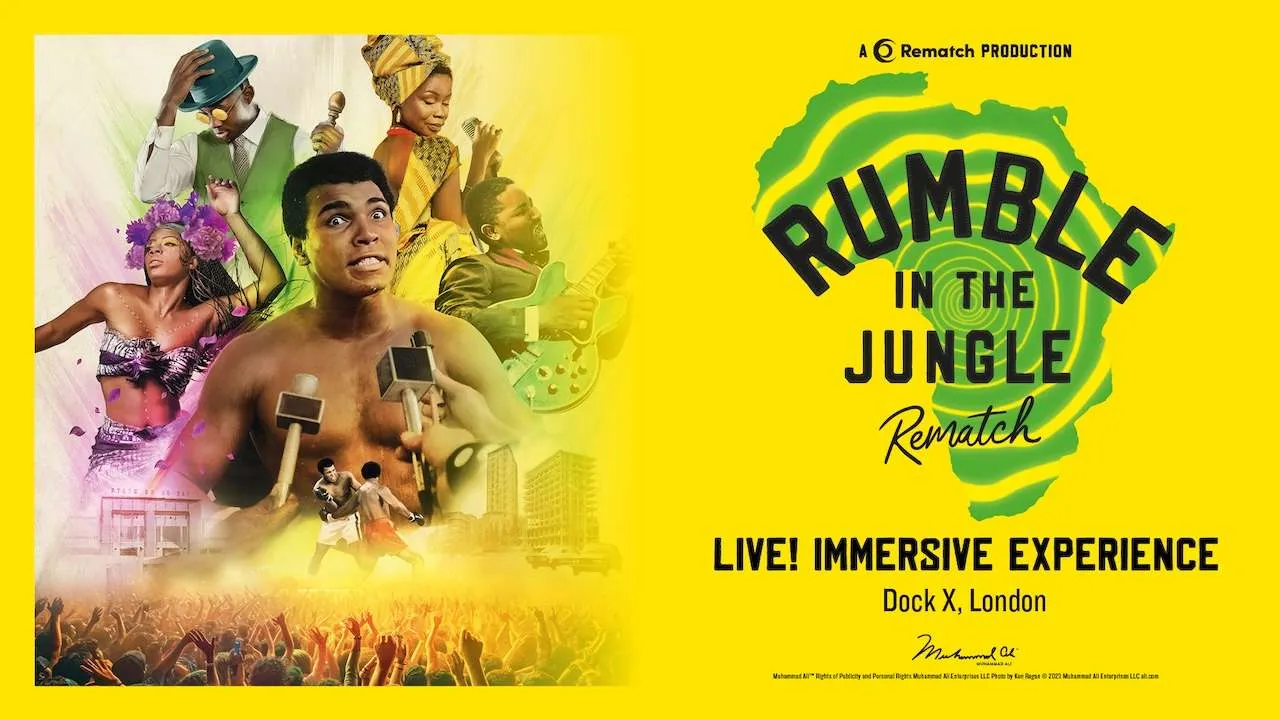
Rumble in the Jungle Rematch — London 2023

Rumble in the Jungle Rematch — Dock X, London, 2023.

Kinshasa · 30 October 1974

The night the world
watched Zaïre.

On 30 October 1974, Kinshasa hosted the most watched live sporting event in history: Muhammad Ali versus George Foreman — the Rumble in the Jungle. An estimated one billion people watched on television. But this was never just a fight. It was a statement. Zaïre, under President Mobutu, had drawn the eyes of the world to Africa — and Africa met the moment with extraordinary power.

Alongside the fight, Zaïre 74 — a three-day music festival — brought James Brown, B.B. King, Miriam Makeba, Celia Cruz, and Bill Withers to Kinshasa. Congolese music filled the stadium. The crowd chanted Ali Bomaye — "Ali, kill him." It was one of the most concentrated expressions of African cultural pride the modern world had ever witnessed.

London · 2023 · The Rematch

CAF Foundation's
co-founders were there.

In 2023, CAF Foundation co-founders Madeleine Laini and Christelle Tulia served as cultural advisor and project manager (Congolese & Fabulous) on Rumble in the Jungle Rematch — an immersive theatrical production at Dock X, London, which went on to win the OffWestEnd Award for Best Production.

The show brought the 1974 moment back to life — through music, movement, and Congolese identity. For us, it was not a consulting role. It was a declaration.

Read the full story →
Literature · DRC Book Club London · Reading · Congolese Voices
London · Reading Circle

Le Club des Écrivains Congolais
du Royaume Uni

The Congolese Writers' Club of the United Kingdom

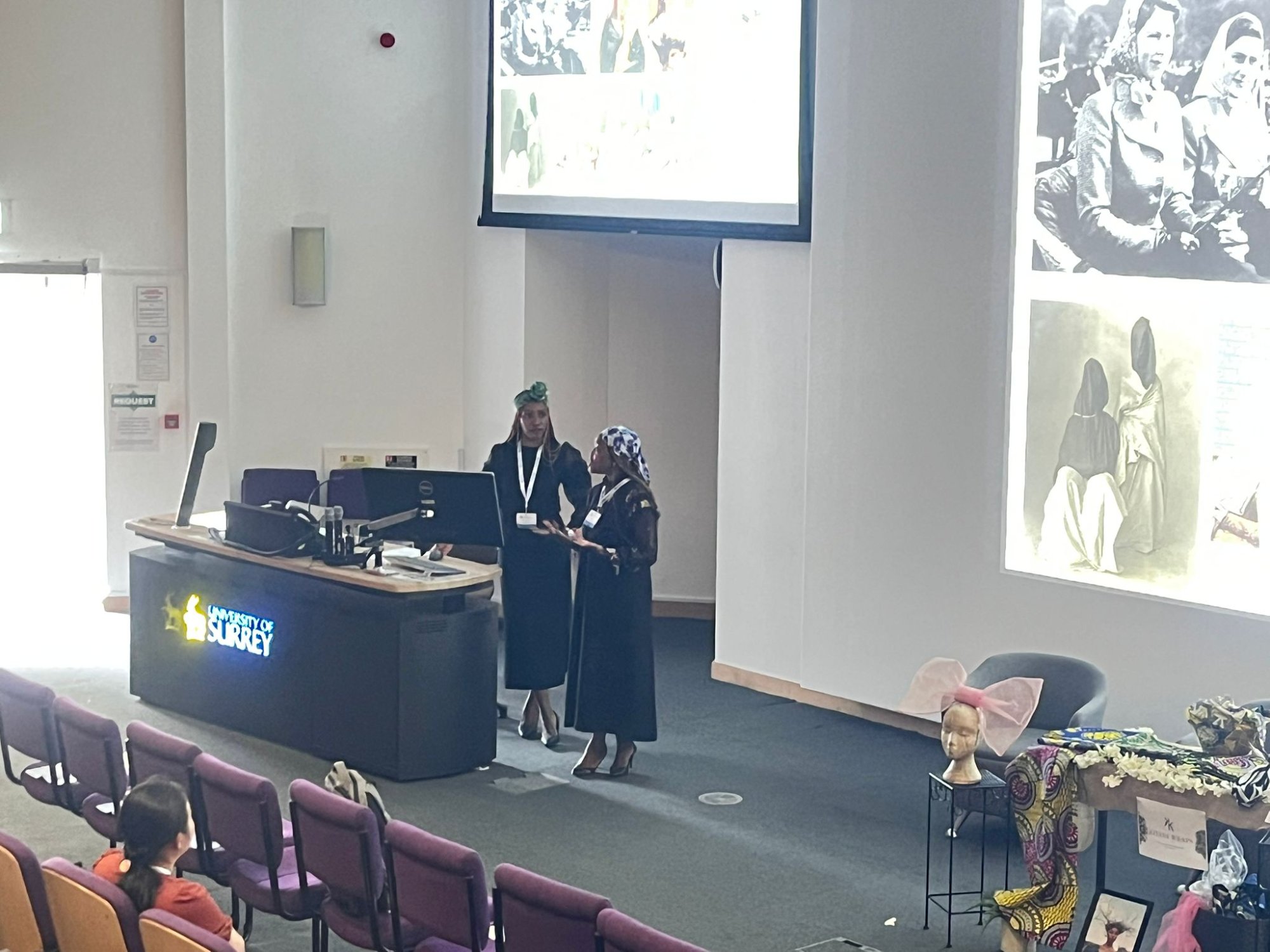
A community of Congolese readers, writers, and thinkers committed to amplifying Congolese literature and thought in the diaspora. Through monthly gatherings, readings, and open discussions, the Club preserves Congolese narratives and ensures that the richness of Congolese thought — its philosophy, history, poetry, and lived experience — is passed to new generations.

The DRC has produced extraordinary writers, diplomats, and intellectuals whose work deserves a wider audience — in both French and English. The Book Club bridges that gap.

Featured Voice

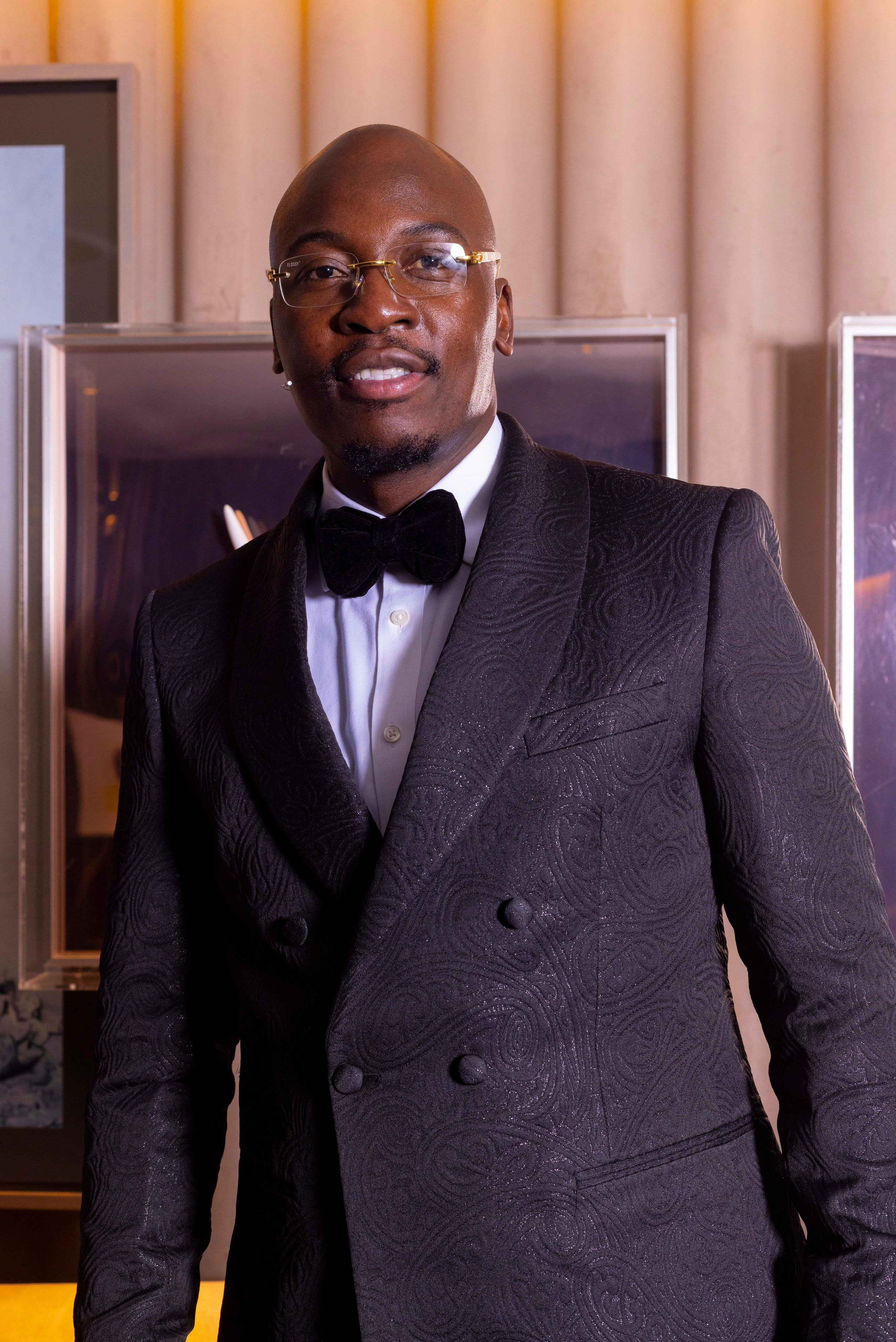
H.E. Ndolamb Ngokwey

Diplomat, intellectual, and author. His work spans Congolese cultural heritage, international diplomacy, and the African intellectual tradition — a vital voice for the Congo on the world stage.

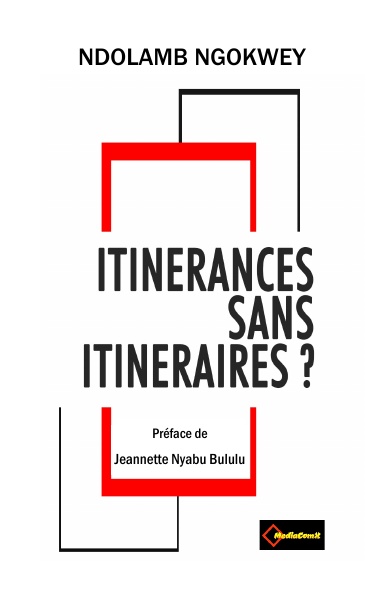
Itinérances sans Itinéraires?
Itinérances sans Itinéraires ?
Ndolamb Ngokwey · Préface de Jeannette Nyabu Bululu
Buy the book →
Featured Voice

Koko Kalambay

Writer and cultural advocate based in the UK. A prominent voice in the London DRC literary community — connecting Congolese stories with diaspora audiences and beyond.

Featured Voice

Norbert Mbu-Mputu

Philosopher, poet, and essayist — one of the DRC's most thoughtful contemporary voices on identity, spirituality, and African intellectual thought. A writer who bridges the spiritual and the political with rare clarity.

Volcanoes · Natural Wonder Nyiragongo · Virunga · Eastern DRC
Natural Wonder · Eastern DRC

Mount Nyiragongo.
The most active volcano on earth.

Rising to 3,470 metres above the Rift Valley, Nyiragongo contains the world's largest lava lake — a molten, churning body of fire that has shaped the landscape, the culture, and the identity of eastern Congo for millennia. The Virunga volcano chain is one of the most geologically active and biologically extraordinary places on earth.

Virunga National Park · North Kivu · DRC

3,470m
Height of Nyiragongo
8
Volcanoes in the Virunga chain
1925
Year Virunga became Africa's first national park

The Congo is extraordinary.
Help us tell that story.

Support CAF Foundation's cultural programmes, share our content, apply for a grant, or simply explore. The more people who know this culture, the stronger the foundation we build — for every Congolese community, everywhere.

Get Involved Our Initiatives