Culture · Heritage · London · 2023
Rumble in the Jungle Rematch:
In 2023, a sold-out theatrical production in London brought one of history's greatest cultural moments back to life — and CAF Foundation's co-founders were at the heart of it. This is what it meant. And why it matters now more than ever.
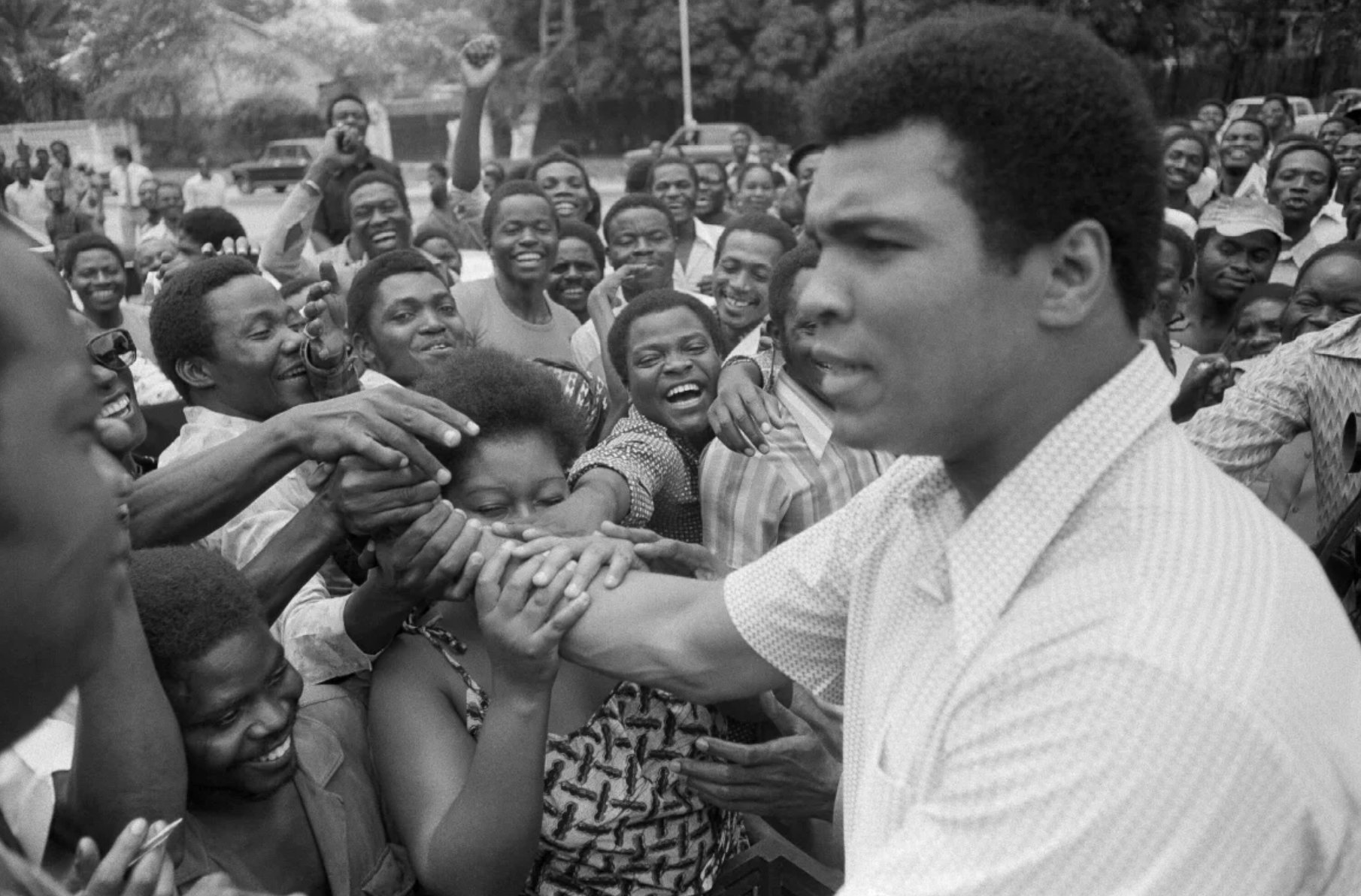
On 30 October 1974, the world stopped. An estimated one billion people — more than had ever watched a single live event — turned their attention to Zaïre, to Kinshasa, to a boxing ring in the Stade du 20 Mai. Muhammad Ali versus George Foreman. The Rumble in the Jungle.
But this was never just a fight. In the weeks before the bout, Kinshasa hosted Zaïre 74 — one of the most extraordinary music festivals ever staged — bringing James Brown, B.B. King, Miriam Makeba, Bill Withers, Celia Cruz, and Congolese musicians to an audience of hundreds of thousands. The crowd chanted Ali Bomaye — "Ali, kill him." It was one of the most concentrated, joyful, electrifying expressions of African pride the modern world had witnessed.
For the people of Zaïre, it was something else: proof that their country — their capital, their culture — could host the world. That Africa didn't need to be a footnote. That it could be the headline.
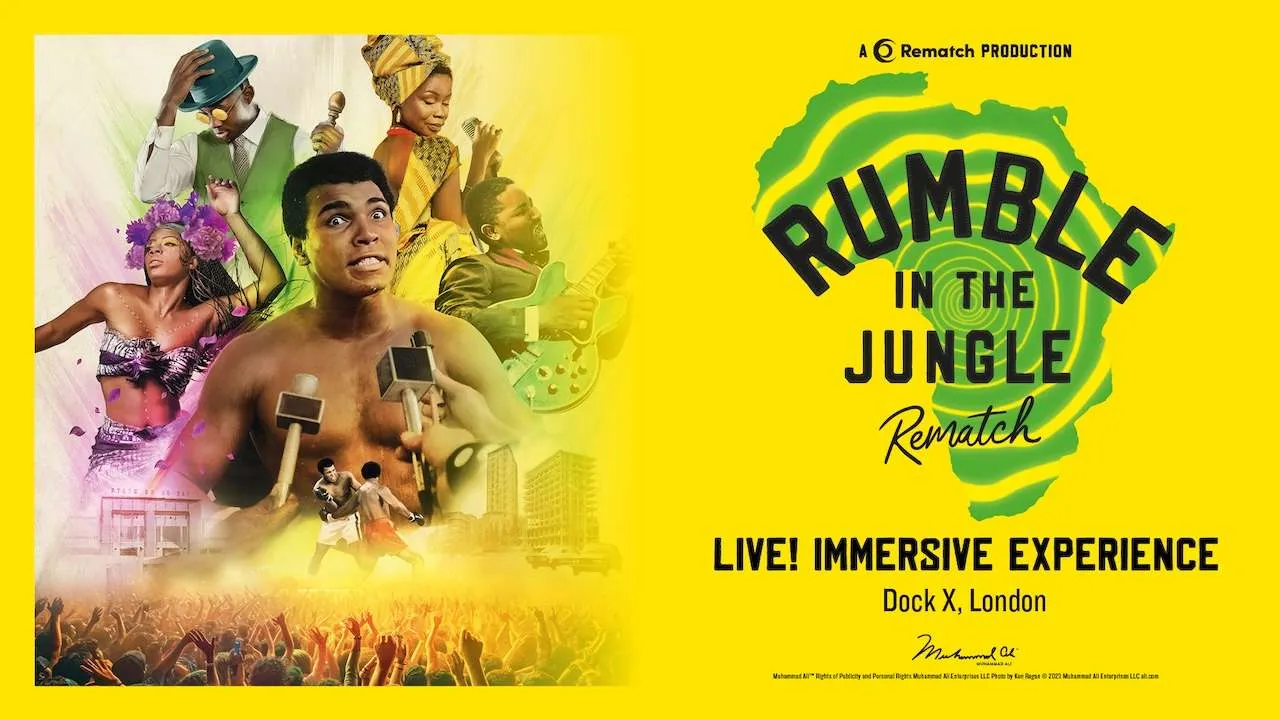
In August 2023, Rumble in the Jungle Rematch opened at Dock X, London — an immersive theatrical production that recreated the energy, the music, and the cultural significance of 1974 Kinshasa. It was produced by Rematch Productions, and it was extraordinary.
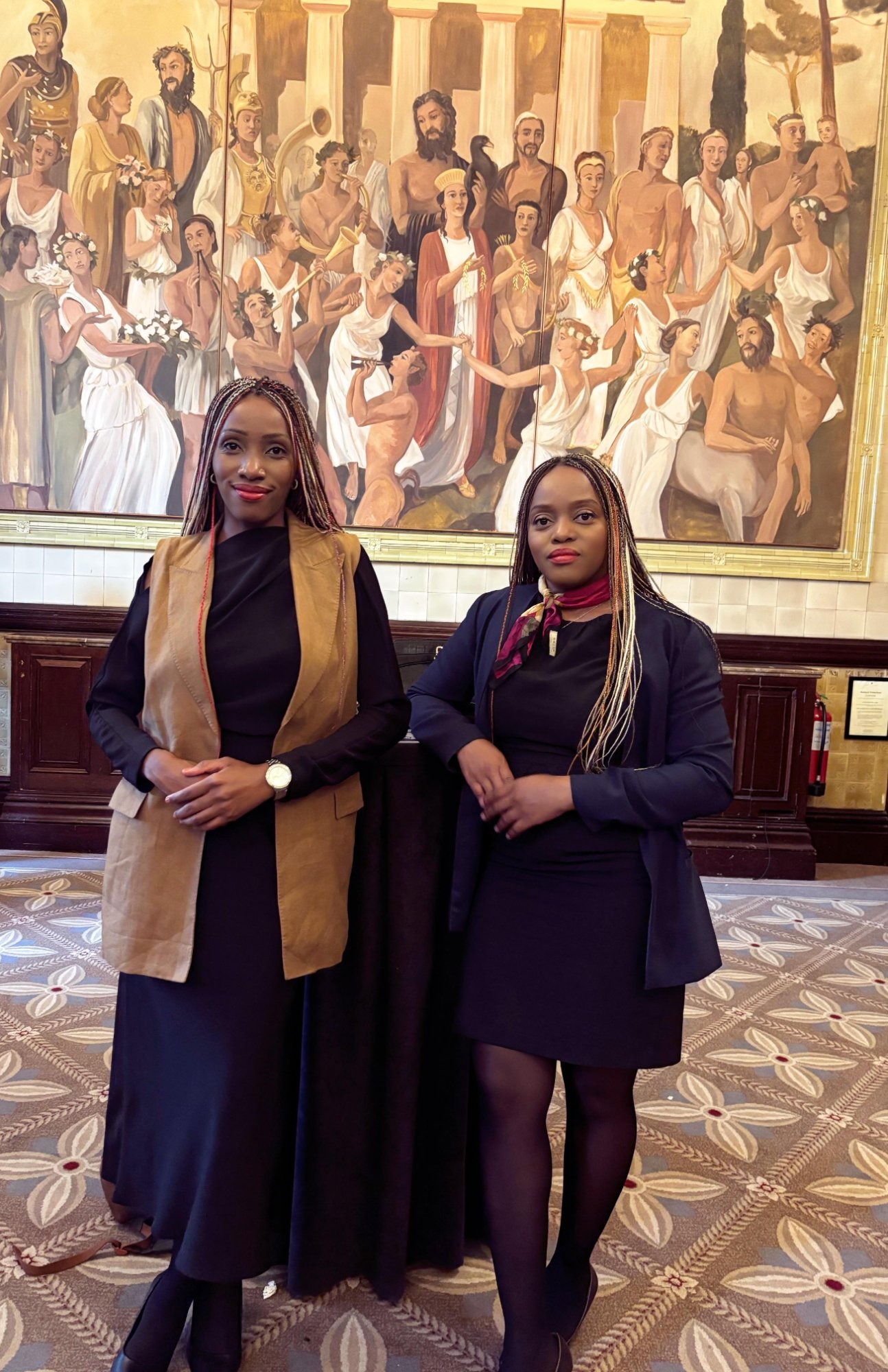
CAF Foundation co-founders Madeleine Laini and Christelle Tulia served as cultural advisor and project manager (Congolese & Fabulous) on the production — ensuring that the story of Zaïre, of Congolese identity, and of African cultural self-determination was told with accuracy, depth, and respect.
The show went on to win the OffWestEnd Award for Best Production — one of the most respected independent theatre prizes in the UK. Critical acclaim followed. Audiences left changed. And for the Congolese diaspora in London, many of whom grew up with the 1974 moment as a piece of family mythology, something else happened: they felt seen.
"This wasn't a consulting brief. It was a chance to do what we've always done — tell the Congo's story on our own terms, to an audience that had never heard it told this way. That's the whole reason CAF Foundation exists."
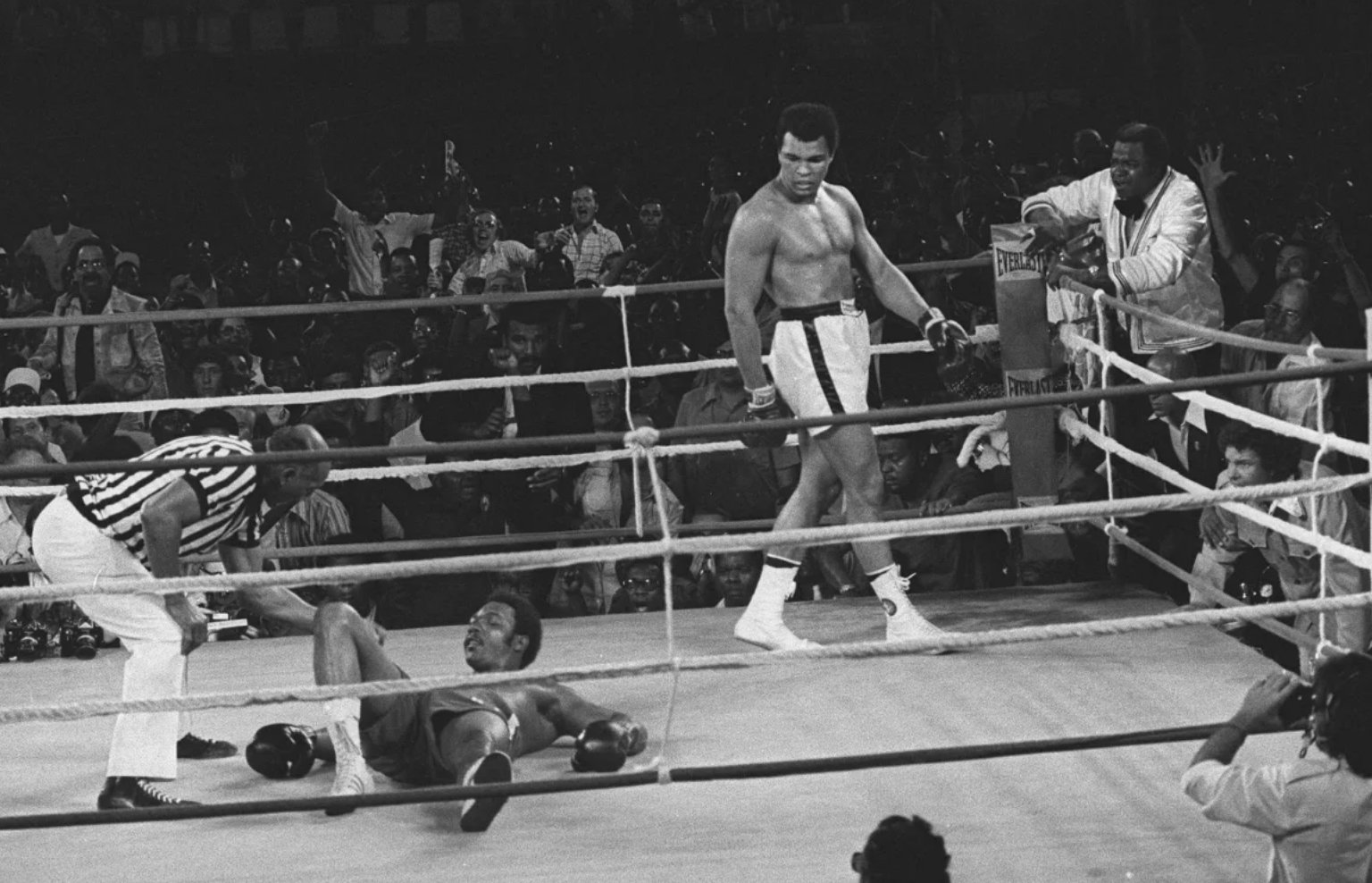
The Rumble in the Jungle sits at one of the most potent intersections in modern cultural history: the connection between Black America and the African continent. Muhammad Ali, who had rejected his "slave name" and embraced his African identity, was received in Kinshasa as a son returning home. His fight — his Ali Bomaye — was celebrated as a Black victory on African soil, at a moment when the civil rights movement had shaken the United States and pan-African consciousness was at its height.
The Zaïre 74 music festival brought African-American artists to Congo, and sent Congolese culture out to the world in return. It was, briefly, the most visible cultural exchange between the African continent and the African diaspora that the modern world had seen. Fifty years later, that connection has never been more important — and it has never been more underinvested.
CAF Foundation's involvement in Rumble in the Jungle Rematch is not a footnote. It is evidence of something that funders and partners need to understand about this organisation: we are not simply a charity. We are a cultural institution in the making.
The ability to consult on a West End-calibre production, ensure the accurate representation of Congolese heritage, and contribute to a work that wins one of the UK's most prestigious independent theatre awards — this is what community-embedded, diaspora-led cultural expertise looks like in practice. It cannot be contracted in. It has to be grown.
What CAF Foundation is building — the cultural programmes, the heritage archive, the youth engagement work, the diaspora networks — creates exactly the kind of institutional infrastructure that made our consultancy on RITJ possible. And it creates the conditions for the next Rumble to be told not just on stage in London, but in schools in South Kivu, community centres in Brixton, and archives accessible to anyone in the world who wants to understand where Congolese culture has been — and where it is going.
This work is fundable. It is demonstrably excellent. It has measurable cultural impact. And it is, right now, chronically under-resourced.
If this story moves you — if you believe that culture is not a luxury but a foundation — we'd love to talk. CAF Foundation is building something that the Congo, and its diaspora, deserves.
Donate or Partner →