Music · Origins · Women
Congolese Rumba —
Congolese Rumba is UNESCO-recognised Intangible Cultural Heritage of Humanity — and one of Africa's greatest gifts to the world. Its story spans generations, continents, and extraordinary human creativity.
Congolese Rumba was born in the port cities of Kinshasa and Brazzaville in the early 20th century — a fusion of Kongo musical traditions with Cuban son (itself rooted in West and Central African music carried across the Atlantic by enslaved people). The result was something entirely new and entirely Congolese: a sound built on interlocking guitar lines, rich brass, flowing rhythm, and vocals that moved between French, Lingala, and Kikongo.
By the 1950s, Congolese Rumba — played by bands like African Jazz, OK Jazz, and African Fiesta — was the dominant popular music across the African continent. It was played at independence celebrations, at weddings, in clubs from Nairobi to Dakar. It was the sound of a new Africa asserting itself, joyfully and brilliantly, to the world.
In the 1970s, President Mobutu's Authenticité movement — a pan-African cultural nationalism programme — both celebrated and sought to control Congolese music. Traditional ballets were elevated into national symbols. Artists were encouraged to return to African names and African aesthetics. The music became more explicitly political, more rooted in Congolese visual and spiritual culture. It was a complicated era — authoritarian in its politics, extraordinary in its cultural output.
It was in this period that Congolese music reached perhaps its most international peak: the legendary Rumble in the Jungle concert of 1974 — featuring James Brown, B.B. King, and Bill Withers, staged in Kinshasa — introduced Congolese music to the global stage in a way that had never happened before. Congolese crowds, culture, and creativity were at the centre of the world.
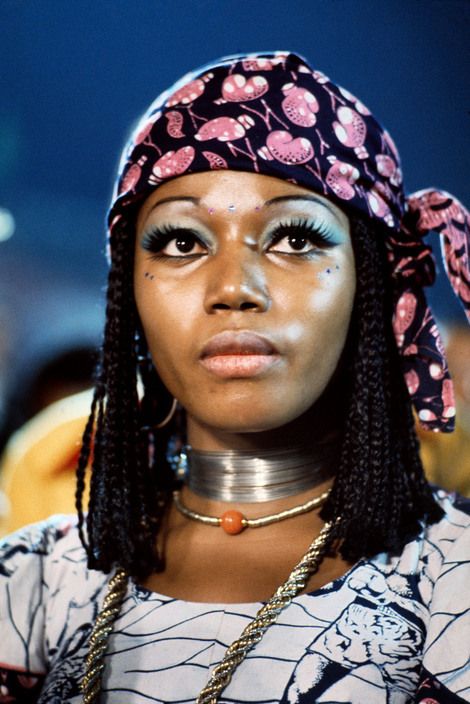
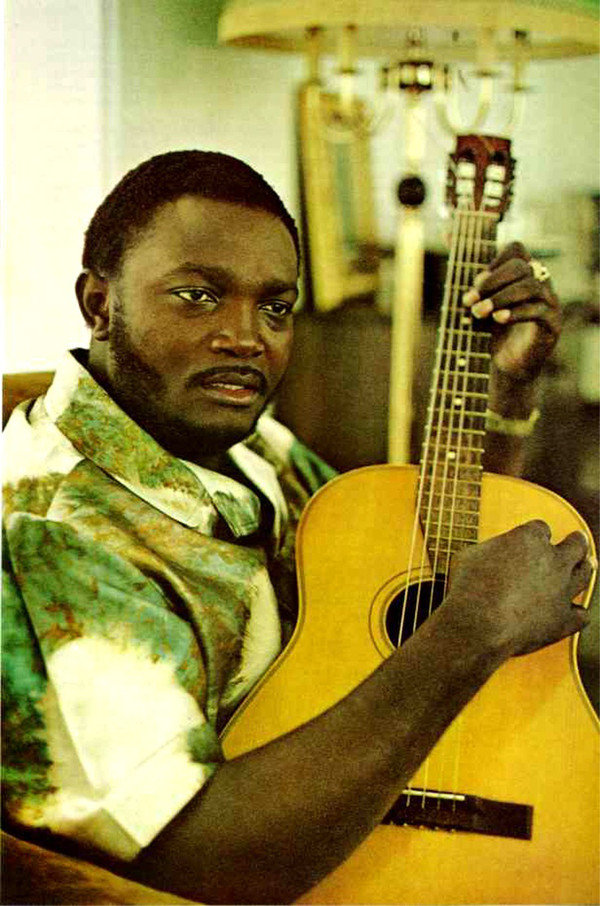
The history of Congolese music is often told as a history of male bandleaders and guitarists — Franco, Tabu Ley, Papa Wemba. But women were central to the sound, the culture, and the survival of this tradition. Abeti Masikini (1954–1994) — pictured here — was one of the most powerful voices in Congolese music history. Performing from her teenage years, she became a defining figure of the Authenticité era: a woman whose voice, stage presence, and musicianship matched or exceeded anyone around her. She performed on international stages, recorded prolifically, and died far too young at 39 — leaving a catalogue that remains essential listening.
M'bilia Bel transformed from backing vocalist to solo star, releasing albums that combined Rumba sophistication with lyrics of unusual emotional depth and female perspective. Tshala Muana brought the mutuashi rhythms of Kasai into popular music, creating a fusion that was distinctly feminine and distinctly Congolese. These women did not simply participate in a male-led tradition. They expanded it, challenged it, and in many cases defined it.
"Congolese women in music have always been extraordinary — but the history books have not always told their story. CAF Foundation is committed to changing that."
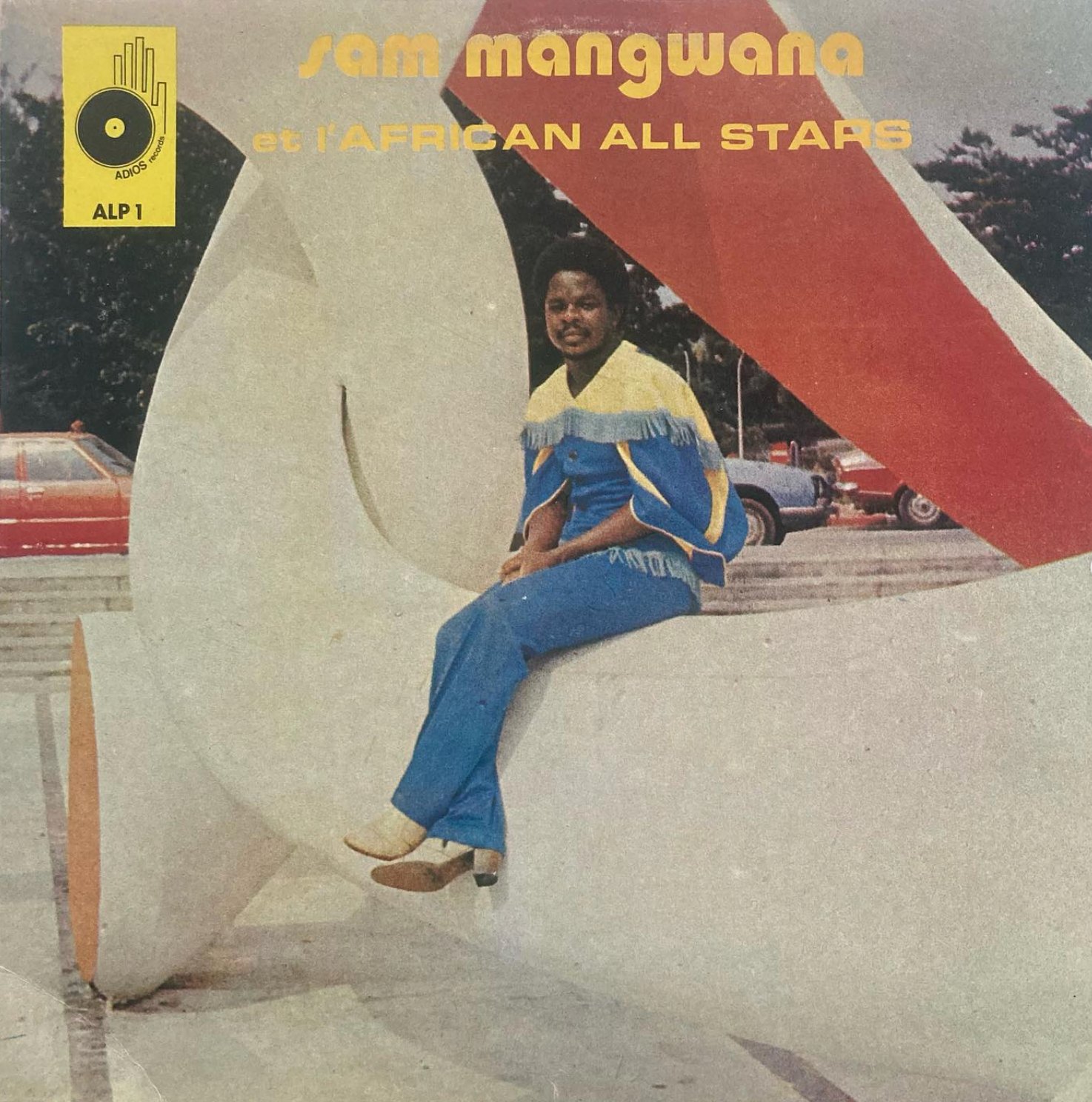
The third generation introduced one of the most transformative innovations in Rumba's history: the seben — a fast-paced instrumental section designed for dancing. The band Zaïko Langa Langa played a central role in this shift, adding a third section to songs and introducing atalaku — vocal animation — that energised live performances and transformed the relationship between musicians and audience. This was Rumba as pure, kinetic participation.
Performance groups associated with Père Buffalo also contributed enormously. Minzoto Ya Zaïre and Minzoto Wella Wella blended folkloric and religious elements with popular music, introducing percussive patterns such as cocot, derived from traditional instruments like the likembe and marimba. They brought the rural soundscape into the urban dance hall — and in doing so, kept the music rooted in its African foundations even as it reached the world.
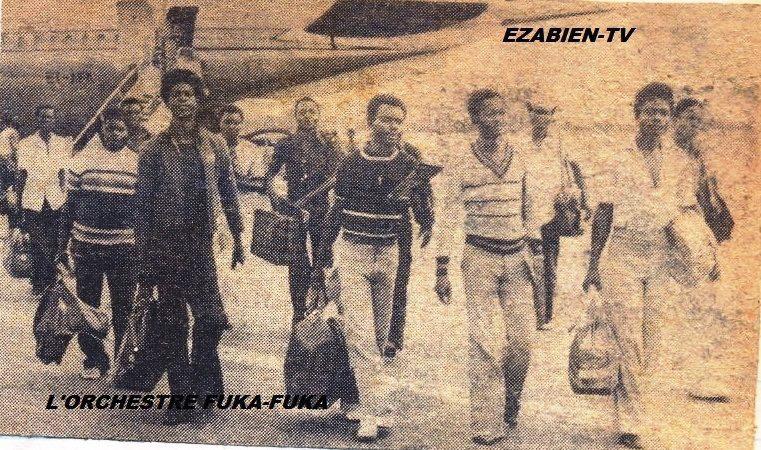
During the later years of Mobutu's regime, many Congolese musicians moved to Europe — to Brussels, Paris, and London — where they encountered new audiences, advanced recording technologies, and global music markets. Groups such as Loketo embraced this direction, contributing to the worldwide spread of Congolese soukous. Artists expanded their roles beyond performance into fashion, branding, and cultural entrepreneurship, reshaping what it meant to be a Congolese musician in the global age.
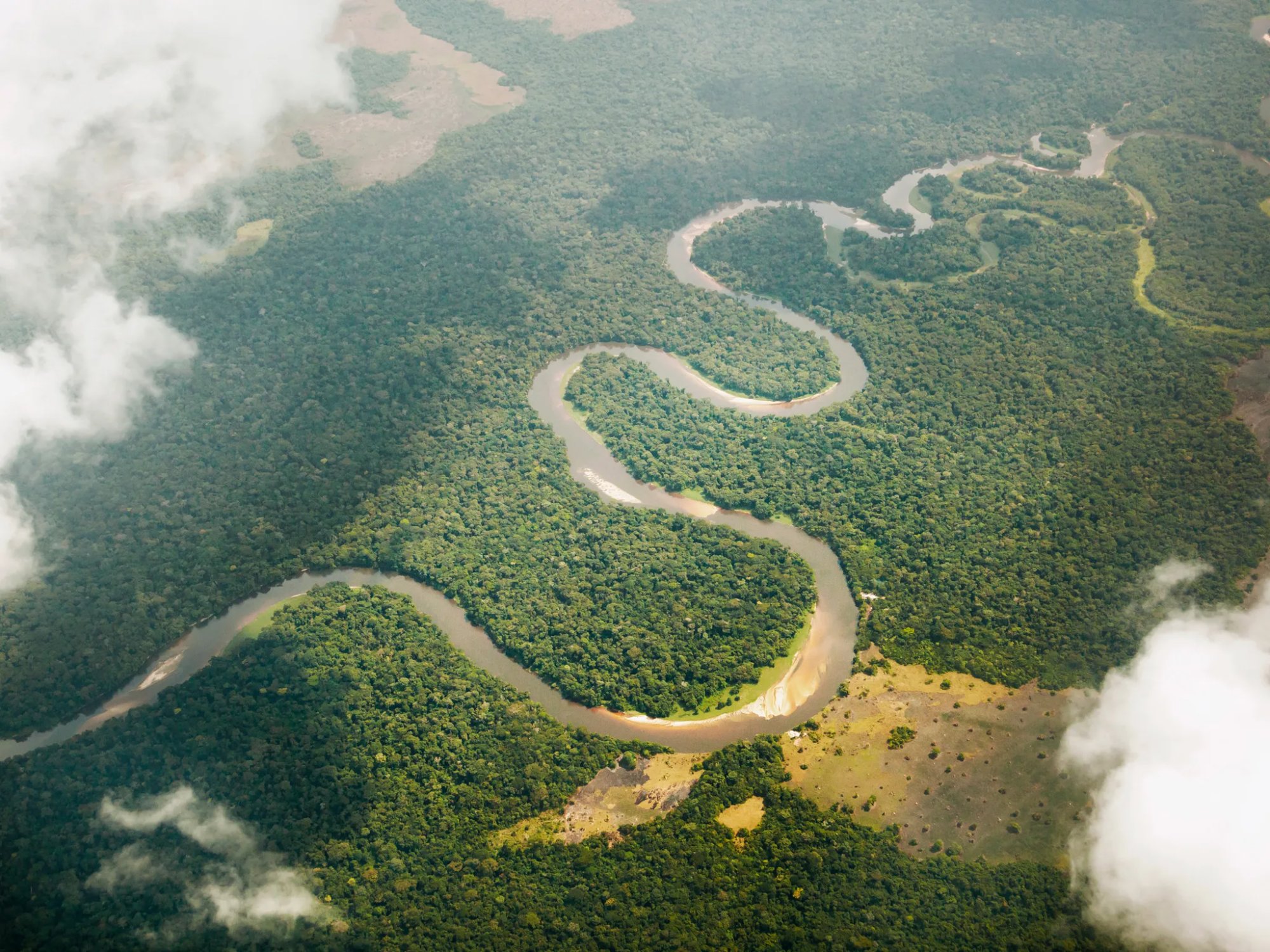
Today, artists such as Koffi Olomidé, Fally Ipupa, and Ferré Gola continue this evolution — fusing traditional Rumba with global genres, emphasising vocal performance and studio production. Whether this constitutes a new generation or a continuation of the tradition's long evolutionary process remains debated. But the root remains: the guitar lines, the rhythm, the Lingala, the spirit of the Congo River.
In December 2021, Congolese Rumba was inscribed on UNESCO's Representative List of the Intangible Cultural Heritage of Humanity — formally recognising its cultural importance and its role in fostering identity, creativity, and social cohesion across generations. The inscription was celebrated across both Congos and around the world.
UNESCO's recognition also emphasises the need to safeguard and transmit this tradition. Organisations such as CAF Foundation can play an important role in this work — supporting artists, funding cultural initiatives, creating platforms for education and innovation, and ensuring that the pioneers of Rumba are remembered alongside the innovators of today.
Congolese Rumba is best understood as a continuous process of evolution rather than a series of rigid breaks. It has moved from orchestras to individuals, from local dance halls to global stages, from traditional forms to hybrid expressions. It remains what it has always been: a living tradition — one that bridges past and present, and continues to inspire new generations across the world.
Books: White, Bob W. (2008) Rumba Rules: The Politics of Dance Music in Mobutu's Zaire. Duke University Press. · Stewart, Gary (2000) Rumba on the River. Verso. · Kubik, Gerhard (1999) Africa and the Blues. University Press of Mississippi.
Online: UNESCO Intangible Cultural Heritage — Congolese Rumba (2021) · Smithsonian Folkways — African Music Archives · Afropop Worldwide — Congolese Music.
Essay by Congolese & Fabulous Foundation, 2026.
In 2021, UNESCO inscribed Congolese Rumba on its Representative List of the Intangible Cultural Heritage of Humanity — recognising the music's extraordinary cultural significance and its role in the identity of millions of people across the DRC, the Republic of Congo, and the global Congolese diaspora. The inscription was celebrated across both Congos and around the world.
Today, Congolese music continues to evolve — from the Afrobeats-infused sounds of young Kinshasa artists to the diaspora musicians in London, Paris, and Brussels who are creating new fusions. The root is always there: the guitar lines, the rhythm, the Lingala. The sound of the Congo River in music form.
Visit the Culture page to hear traditional Congolese music — including Pende Dance Troupe recordings and the Groupe Minzoto Ya Zaïre.
Listen on Culture page →