Music · Culture · Heritage
From the Congo River
The Congo River is the deepest river on earth, the second largest by discharge, and the spine of one of the world's great civilisations. It has carried goods, people, music, and meaning for thousands of years. This is its story — and the story of the culture it made possible.
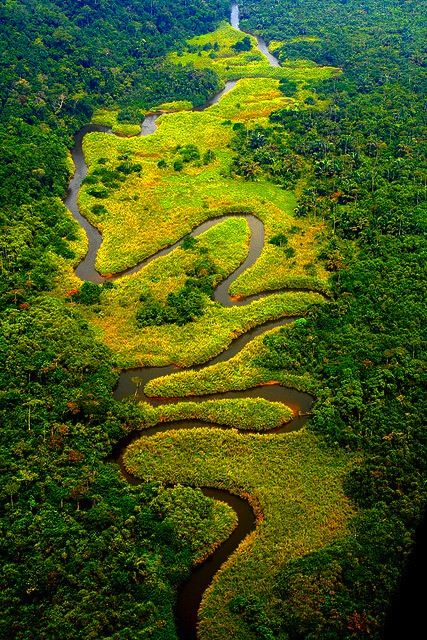
The Congo River is one of the most extraordinary natural features on the planet. At over 4,700 kilometres long, it is the second longest river in Africa. At its deepest point — over 220 metres — it is the deepest river on earth. Its discharge into the Atlantic Ocean is second only to the Amazon. It drains a basin the size of Western Europe. It flows through some of the most biodiverse ecosystems anywhere on earth.
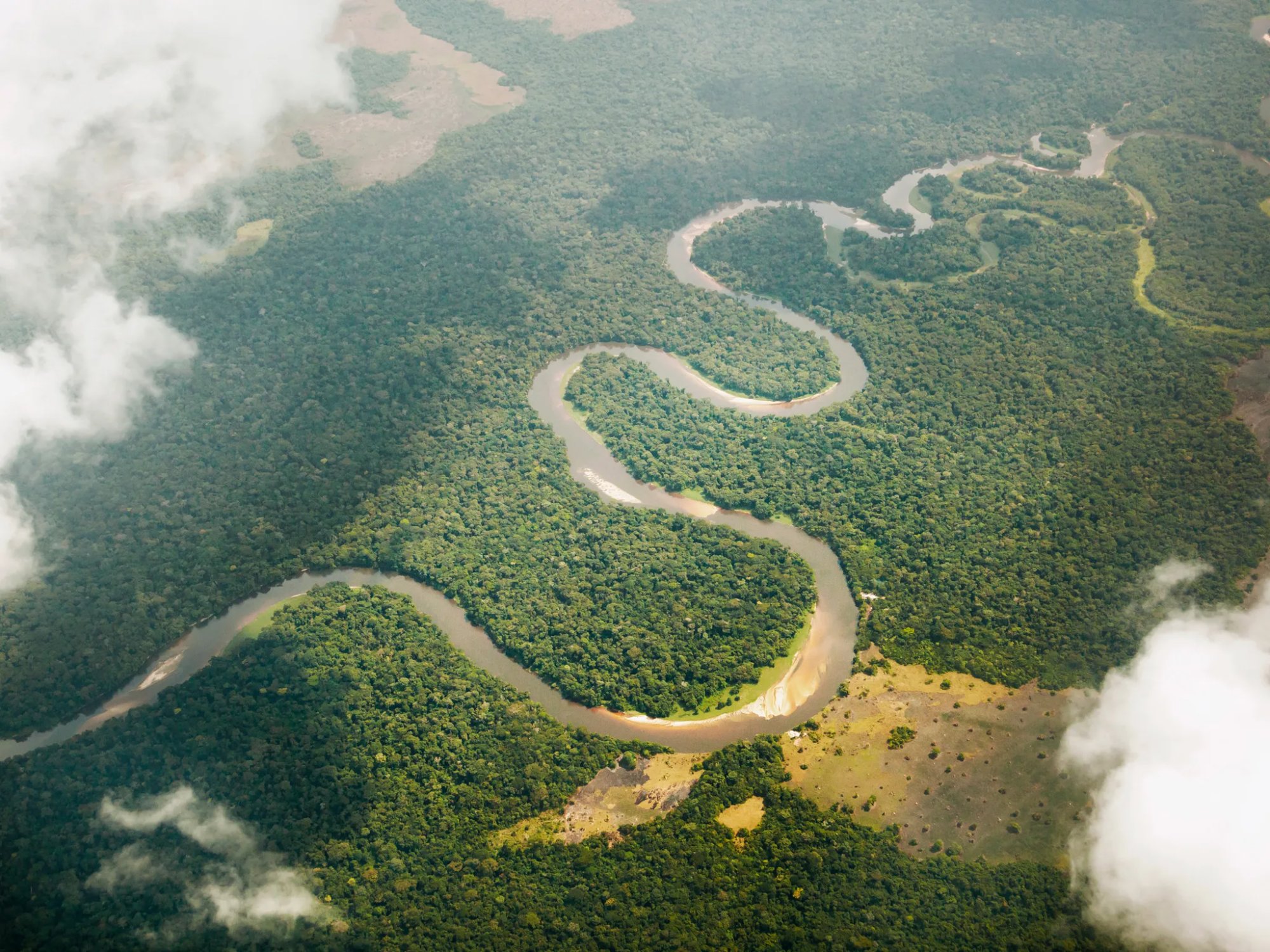
The river does not move in a simple line. It loops, divides, and expands into vast braided channels, lakes, and wetlands. In its middle reaches, it forms a wide, slow body called the Malebo Pool — where Kinshasa and Brazzaville face each other across the water, the only place in the world where two capital cities sit on opposite banks of the same river, close enough to see each other's lights at night.
For thousands of years before roads, before railways, before aircraft, the Congo River was the highway of central Africa. Goods moved along it: copper, ivory, food, cloth, salt. People moved along it: traders, diplomats, armies, musicians, missionaries, explorers. The Kingdom of Kongo controlled strategic stretches of its lower reaches. The kingdoms of the interior — Luba, Lunda, Kuba — were connected to each other and to the outside world through its tributaries.
When the Belgian Congo was established in the late 19th century, the river became the spine of colonial extraction — carrying rubber and ivory downriver to the port at Boma, and then to Europe. The human cost of that extraction was among the worst atrocities of the colonial era. But the river itself was indifferent to what it carried. It had been carrying life long before colonialism arrived, and it continues to carry life today.
The cities that grew along the Congo River became the engine of one of the world's most extraordinary musical traditions. Kinshasa and Brazzaville — facing each other across the Malebo Pool — were the birthplaces of Congolese Rumba in the mid-20th century. The bars and clubs along the riverbanks were where the guitars first intertwined with the brass, where Lingala lyrics first floated over Cuban rhythms, where the sound that would eventually be heard from Nairobi to London to São Paulo was first invented.
The river is not just a metaphor for Congolese music. It is literally the place where the music was created — by musicians who lived, worked, and performed in the port cities of its banks, drawing on musical traditions that had travelled up and down its length for centuries.
By the 1950s and 60s, Congolese music had reached every corner of the African continent. By the 1970s — accelerated by the global attention brought by the Rumble in the Jungle — it was a worldwide phenomenon. Congolese musicians toured Europe and the Americas. Lingala became a language understood across central and eastern Africa. The guitar style developed in Kinshasa's clubs influenced musicians from Lagos to Johannesburg to Paris.
Today, that journey continues. Congolese Rumba was inscribed as UNESCO Intangible Cultural Heritage in 2021. Young Congolese artists in London, Paris, and Kinshasa are creating new sounds that carry the river's DNA forward into the 21st century. The Congo River flows to the ocean. So does its music — endlessly, in all directions, carrying everything it has ever touched.
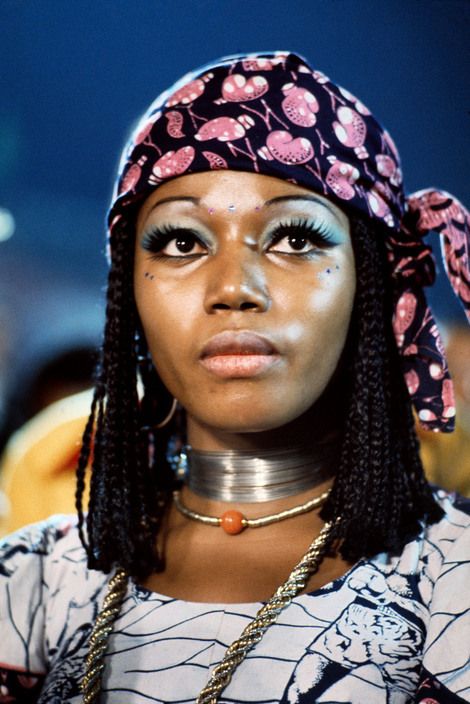
The culture page features audio recordings of traditional Congolese music, national park heritage sites, and the history of the Pende dance tradition.
Explore culture →