Gardens for Change is CAF Foundation's own initiative — a novel, replicable model that transforms underutilised land into community gardens that heal, feed, and unite. Grounded in evidence from horticulture therapy, trauma-informed practice, and community development, it is designed to be delivered anywhere in the world.
The Idea
Displacement, conflict, and poverty fracture community cohesion. People lose connection to land, to each other, and to their own sense of agency. Gardens for Change works with this rupture — not by fixing it from outside, but by creating the conditions for communities to rebuild from within.
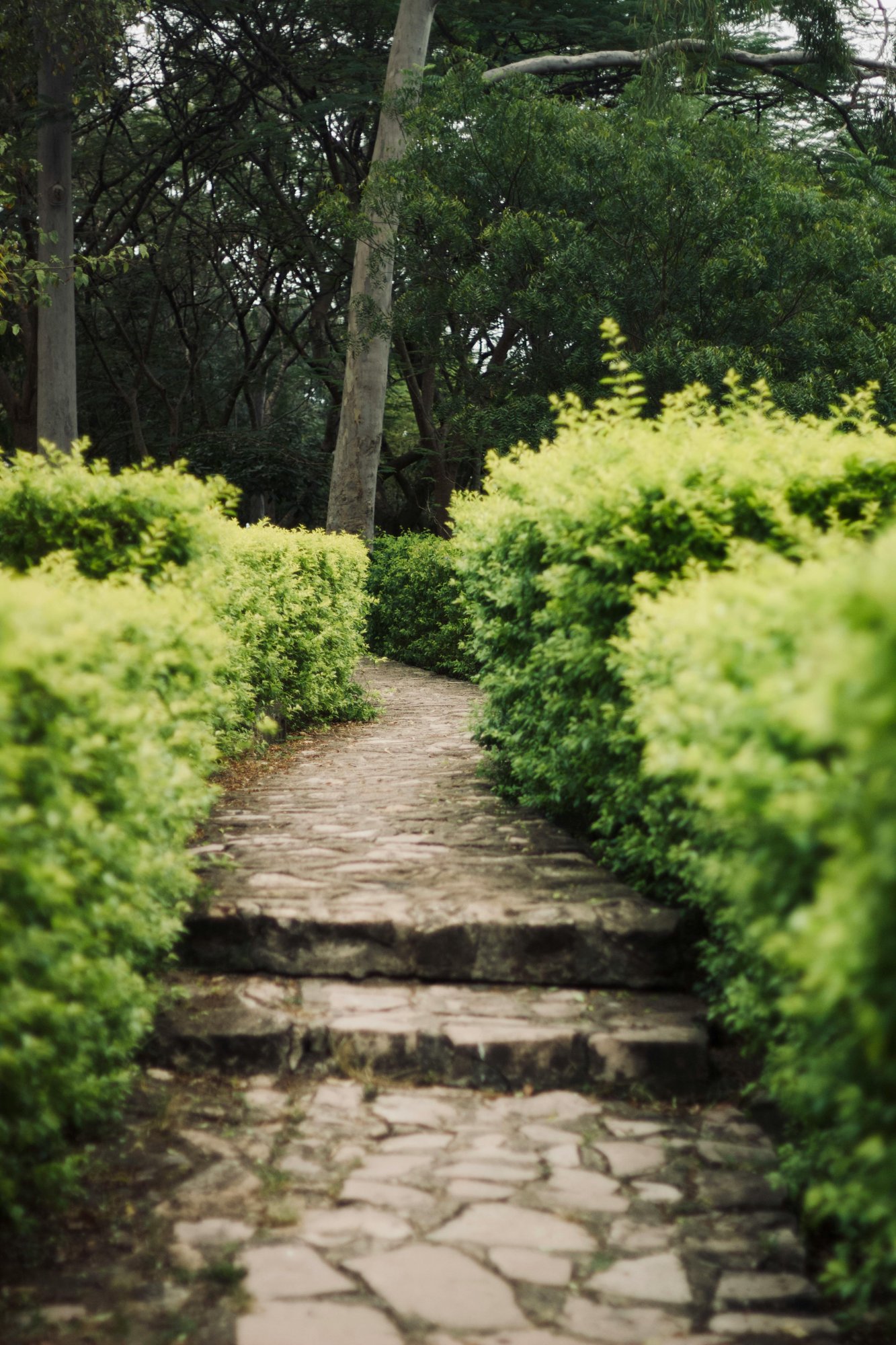
A garden is not just a place to grow food. It is a place to grieve, to remember, to teach, to celebrate, and to dream. It is a classroom, a meeting ground, a therapy space, a market, and a source of beauty — all at once. The simple act of putting hands in the earth, of tending something, of watching it grow, has profound effects on mental health, social cohesion, and hope.
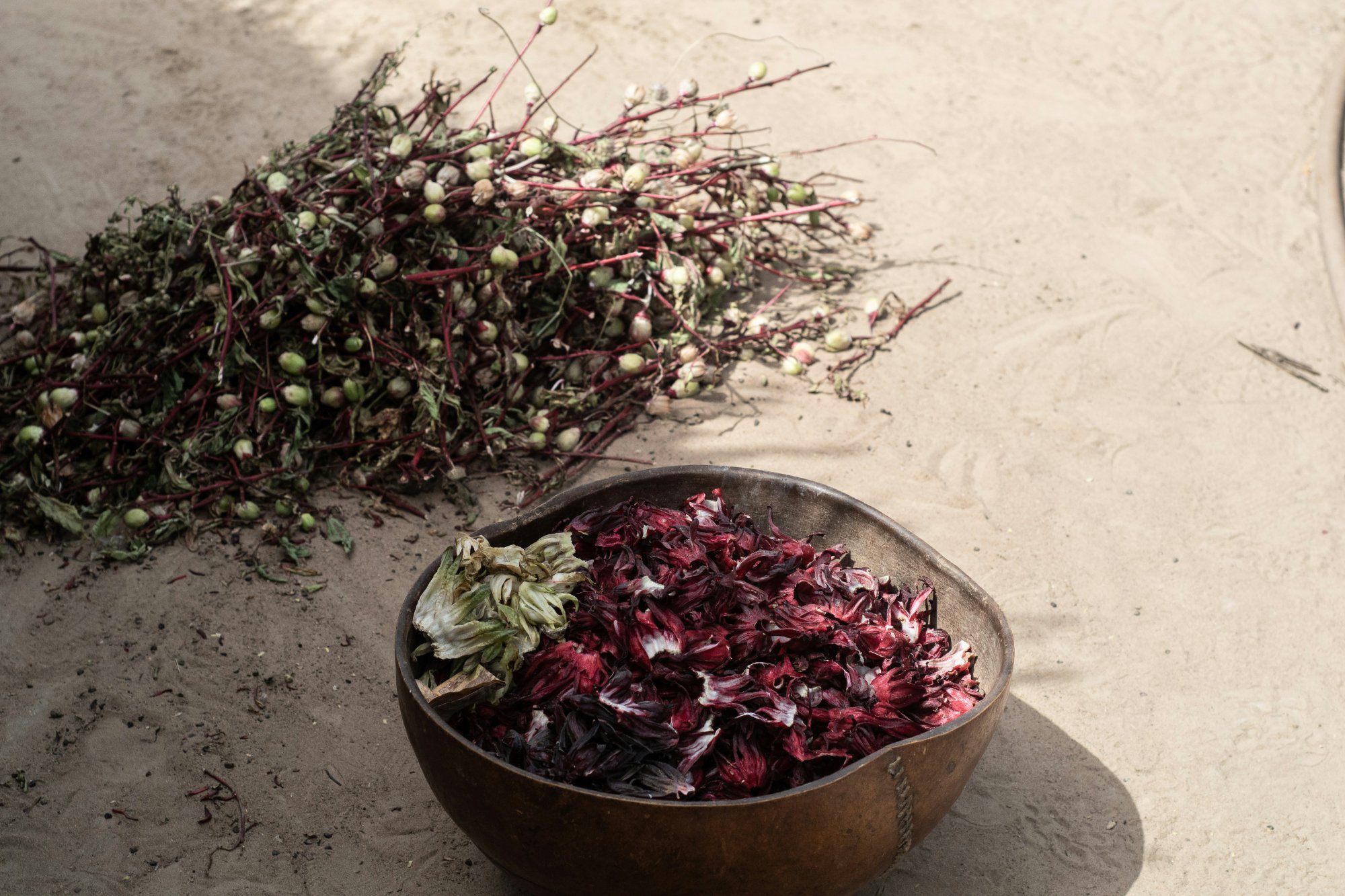
Inspired by the rich botanical traditions of the DRC — from the hibiscus fields of the east to the ancient forest gardens of the Kivu — Gardens for Change brings this philosophy into diaspora communities and conflict-affected zones alike.
Flowers, Growing & Wellbeing
The evidence base for horticultural therapy is robust and growing. Contact with nature and the act of cultivation demonstrably reduce cortisol levels, improve mood, lower anxiety, and build a sense of meaning and purpose. For survivors of conflict, displacement and trauma — including refugees and internally displaced persons — structured engagement with gardens delivers outcomes that clinical interventions alone cannot.
"Growing something is an act of faith in the future. In communities where the future has been stolen, that act is profoundly radical."
Flowers in particular carry cultural significance across Congolese traditions — used in ceremony, in healing, in gifts, and in memory. We integrate this into our programme: participants are not just gardeners, they are custodians of a living cultural and ecological heritage. Floral arrangement workshops — like those shown in our programme photographs — become spaces for creativity, income generation, and dignity restoration simultaneously.
Aligned with the SDGs
Gardens for Change directly touches eight of the UN Sustainable Development Goals — making it a compelling proposition for IGOs, foundations, and funders seeking integrated, measurable community impact:
A Replicable Model
Gardens for Change is designed to travel. The core model — site activation, community facilitation, horticultural programming, floristry enterprise, and cultural integration — can be adapted for urban and rural contexts, across different climate zones, and with communities of any background.
We have developed a delivery framework that can be licensed to partner organisations, deployed by humanitarian actors in displacement settings, or co-delivered with local NGOs as part of a larger community resilience programme. We welcome conversations with foundations, IGOs, government bodies, and community organisations who want to bring this model to their contexts.

Community floral arrangement programme — Gardens for Change
Why now?
The global humanitarian landscape is shifting. Funding is tighter. Donor fatigue is real. Communities need models that generate outcomes across multiple dimensions — economic, psychological, ecological, and social — simultaneously. Gardens for Change does exactly that, at relatively low cost, with high visibility and deep community buy-in.
As CAF Foundation, we are uniquely positioned: we carry the credibility of diaspora leadership, the cultural intelligence of the Congolese community, and a track record of building trust-based partnerships. We are ready to deliver. We are looking for partners who are ready to invest.