Ecology · Knowledge · Conservation
The World's Most
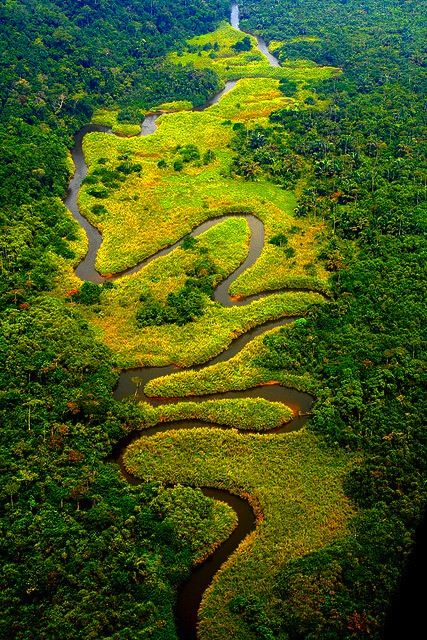
The Congo basin contains the world's second-largest tropical rainforest — home to over 10,000 plant species, thousands found nowhere else on earth, and indigenous knowledge systems that have catalogued and stewarded this extraordinary biodiversity for millennia.
The Congo basin covers approximately 3.7 million square kilometres — spanning six countries and containing roughly 18% of the world's remaining tropical forest. It is home to an estimated 10,000 plant species, 1,000 bird species, 400 mammal species, and over 700 fish species. The numbers are almost impossible to comprehend. But behind each number is a living world of extraordinary complexity — much of which science has only begun to understand, and much of which indigenous communities have known intimately for generations.
Unlike the Amazon, the Congo basin acts as a carbon sink — absorbing more carbon than it releases. This makes it critical not just to the DRC or to Africa, but to the global climate. The Congo forest is not the DRC's problem to manage. It is the world's responsibility to protect.
For centuries before Western botanical science arrived, Congolese communities were building detailed, practical, intergenerational knowledge of the forest's medicinal, nutritional, and spiritual properties. Pygmy communities of the Ituri forest — among the oldest continuous inhabitants of any ecosystem on earth — have developed sophisticated understanding of hundreds of plant species for food, medicine, and ceremony. Luba herbalists have catalogued plant treatments for conditions from malaria to respiratory illness. Women healers across the DRC carry pharmacological knowledge that no laboratory has yet fully mapped.
This knowledge is not supplementary to science. In many cases, it is the science — accumulated over thousands of years of direct, careful observation. And it is at serious risk of being lost, as older knowledge-holders die and younger generations move to cities without the opportunity to learn.
"The Congo basin is not just a forest. It is a library — written in leaves, roots, soil, and memory. Its most important knowledge system is not in any university. It lives in the communities that have called it home for ten thousand years."
CAF Foundation's Gardens for Change initiative draws directly on the tradition of Congolese botanical knowledge — bringing it into diaspora communities through community gardens that grow African medicinal and food plants, creating spaces for intergenerational knowledge transfer, community wellbeing, and cultural connection.
The gardens are also an act of environmental advocacy: a reminder that the plants of the Congo basin are not abstract conservation objects but living parts of a culture that Congolese people in the UK still carry in their memory, their cooking, and their healing practices.
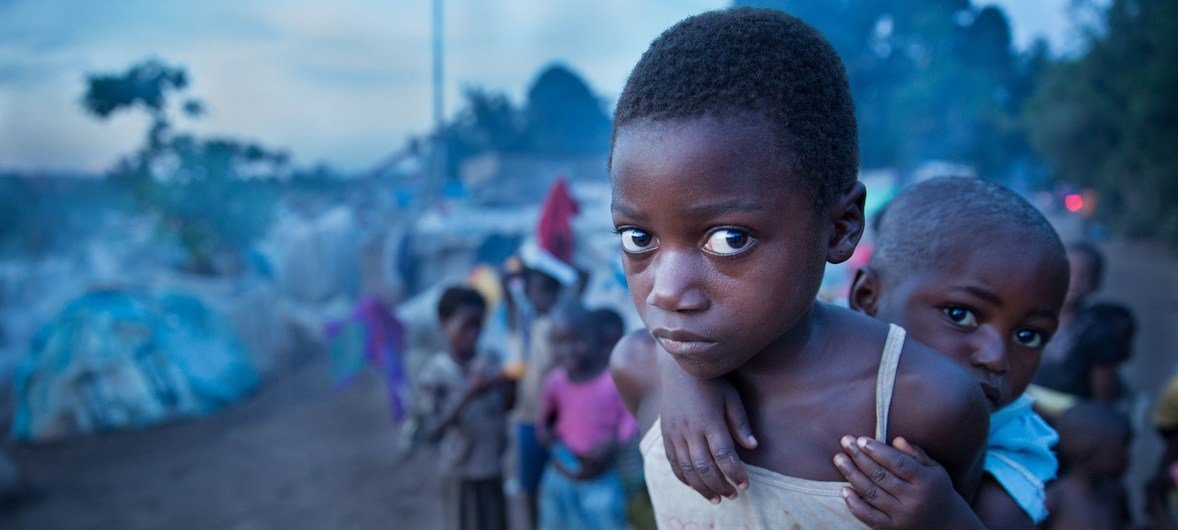
The Congo forest faces serious and accelerating threats: illegal logging, industrial agriculture, artisanal mining, and the indirect effects of conflict and displacement. The communities best placed to protect it — those with the deepest knowledge of its ecology — are also those most affected by the crisis in eastern DRC. Conservation cannot be separated from human rights. The protection of the forest requires the protection of the people who live in and around it.
CAF Foundation advocates for community-led conservation approaches that recognise indigenous and traditional knowledge as a legitimate and essential component of environmental management — not a quaint supplement to Western science, but its equal and often its superior.
CAF Foundation's community garden initiative brings Congolese botanical heritage to diaspora communities — growing food, restoring wellbeing, and keeping traditional knowledge alive.
Learn more →